Last updated October 30, 2026
 Water damage drying
 Fire & smoke cleanup
 Mold remediation
 Storm response
 Sewage cleanup
 Reconstruction
Free visual inspection and a written scope of work before any mitigation begins - photos, moisture readings, and drying logs go in your claim file
The scope we write is the scope we bill. Anything new gets shown to you, in writing, before we touch it.
Get your free estimateDamage Restoration Cost Breakdown: The Paradise Homeowner’s Reference for 2026
The lowest restoration bid you receive after a water loss is almost always scoped to match the price, not the damage. A $4,000 quote and an $11,000 quote for what looks like the same wet hallway almost never describe the same job. One covers surface extraction and a few rental fans. The other covers structural drying with commercial dehumidifiers, moisture mapping, containment, and documentation your insurance adjuster will actually accept. In Paradise, where summer attic temperatures routinely hit 140 degrees and a slow supply-line leak can feed mold inside a wall cavity for weeks before anyone notices, the difference between those two bids shows up in your air quality test 60 days later. This guide breaks down what restoration actually costs in Paradise in 2026, line by line, so you can compare quotes with confidence instead of guesswork. For damage restoration warning signs every Paradise homeowner should know, see our companion reference.
Restoration work we handle
Quick Answer
Water damage restoration in Paradise, NV typically ranges from $1,200 to $7,500 for a single-room loss in 2026, with structural drying averaging $4 to $8 per square foot and full rebuilds running $25 to $45 per square foot. Mold remediation in Paradise costs between $500 and $6,000 depending on colony size and whether the HVAC system was involved. Fire damage restoration runs $3,000 to $20,000+, driven heavily by smoke remediation and content cleaning. The single biggest variable in any quote is whether it’s based on line-item estimating software like Xactimate (what insurers use) or a lump-sum number scribbled on a carbon copy.
Table of Contents
- Water Damage Restoration: What Each Phase Actually Costs in Paradise
- Line-Item Quotes vs. Lump-Sum Bids: Why Your Insurer Cares
- Hidden Costs Paradise Homeowners Forget to Budget For
- Equipment Line Items: Legitimate Costs, Not Markups
- Mold Remediation Pricing in Paradise: Testing, Containment, Removal
- Fire Damage Restoration Costs: What Smoke Does to a House
- Insurance Claim vs. Out-of-Pocket: The Decision Framework
- Common Mistakes to Avoid
- When to Call a Professional
- Frequently Asked Questions
- The Bottom Line
Water Damage Restoration: What Each Phase Actually Costs in Paradise
Water restoration pricing breaks into four distinct phases: extraction, structural drying, demolition, and rebuild. Most homeowners only see the final number, which makes comparing bids nearly impossible. Here’s what each phase costs in the Paradise market as of 2026, and what you’re paying for in plain terms.
Phase 1: Water Extraction
Extraction is the emergency response piece: removing standing water with truck-mounted or portable extraction units. In Paradise, this phase runs $3.50 to $7.00 per square foot of affected area. A flooded 400-square-foot living room means roughly $1,400 to $2,800 for extraction alone. The price varies by water category: clean water from a supply line costs less to extract than gray water from a washing machine overflow, which requires more protective measures than sewage backups, the most expensive category thanks to biohazard protocols.
Phase 2: Structural Drying
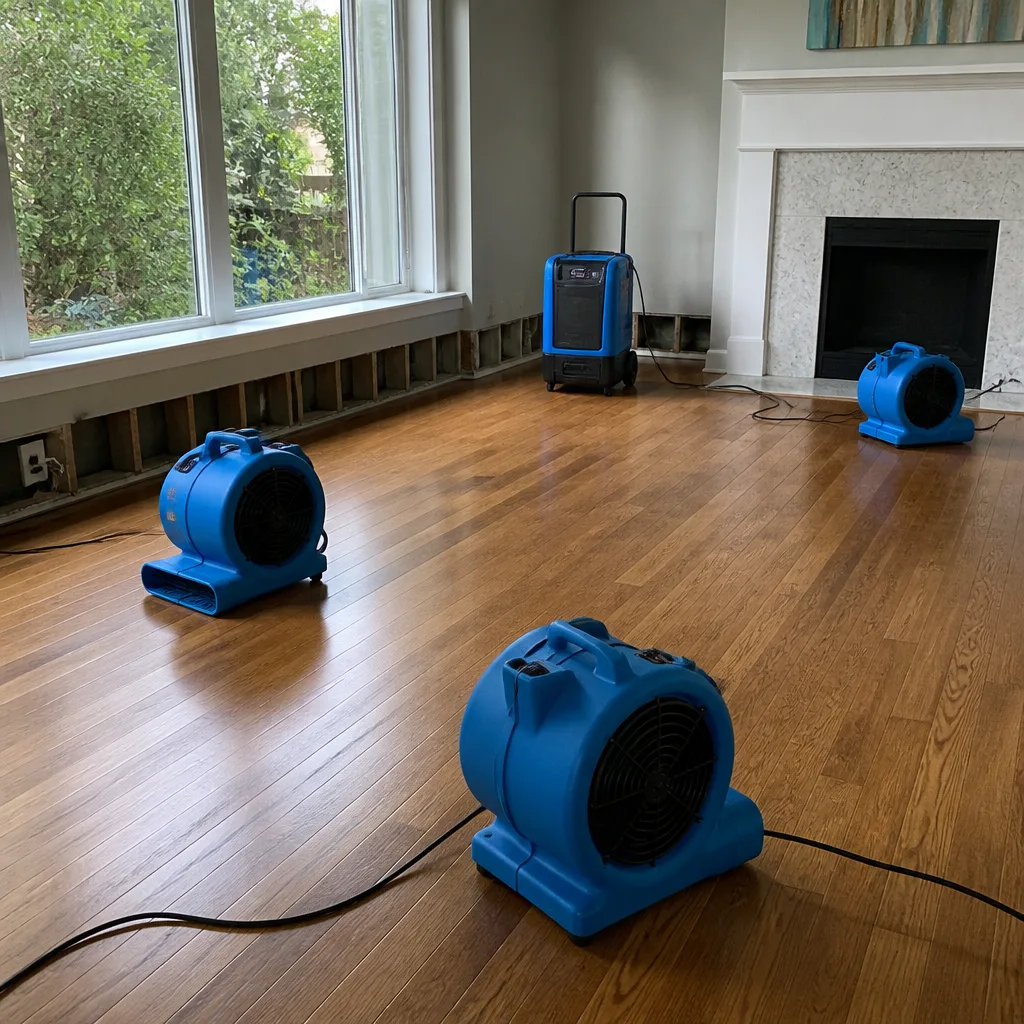
This is where quotes diverge most dramatically. Structural drying, the process of removing moisture trapped in drywall, baseboards, subfloor, and wall cavities, averages $4 to $8 per square foot in Paradise. That range assumes professional-grade equipment: low-grain refrigerant dehumidifiers pulling 130+ pints per day, high-velocity air movers positioned for cross-flow, and daily moisture readings logged against a drying plan. A crew that quotes $1.50 per square foot for “drying” is almost certainly setting a few box fans and calling it done. In a Paradise summer, those box fans are fighting 8% ambient humidity and losing.
Phase 3: Demolition
When drywall has wicked moisture 18 inches up, insulation is saturated, or flooring has delaminated, that material comes out. Demolition in Paradise runs $2.50 to $5.00 per square foot for standard removal, including bagging, haul-off, and disposal fees. Paradise sits in Clark County, where construction debris disposal runs through Apex Regional Landfill, and tipping fees have climbed steadily enough that any 2026 quote should reflect current rates, not last season’s numbers. This phase is where Injectidry systems change the math: by drying wall cavities through existing holes rather than cutting drywall out, a properly equipped team can sometimes eliminate the demo phase entirely, or shrink it to trim removal. Most basic restoration crews skip this approach because the equipment investment is significant.
Phase 4: Rebuild
Reconstruction after water damage can be the largest line item on a restoration invoice. Build-back costs in Paradise run $25 to $45 per square foot for standard finishes, higher for custom tile work, cabinetry, or flooring that matches existing non-damaged areas. This phase is scoped, scheduled, and priced in writing like any remodel; it is not an emergency service, and no legitimate restoration company will promise same-day turnaround on rebuild.
| Phase | Paradise 2026 Range | What Drives the Price |
|---|---|---|
| Extraction | $3.50 – $7.00/sq ft | Water category, accessibility, equipment type |
| Structural Drying | $4.00 – $8.00/sq ft | Equipment grade, monitoring frequency, duration |
| Demolition | $2.50 – $5.00/sq ft | Material type, disposal fees, containment needs |
| Rebuild | $25 – $45/sq ft | Finish level, material matching, scope size |
For a full walkthrough of what our Water Damage Restoration in Paradise process looks like, including how we document every phase for insurance, see our service page.
Line-Item Quotes vs. Lump-Sum Bids: Why Your Insurer Cares
The cleanest way to know whether a restoration bid is legitimate is to look at how it’s built. An Xactimate-based line-item quote breaks the job into hundreds of discrete tasks, each with a standardized price based on your Paradise zip code. A lump-sum quote says: “Water damage repair: $6,800.” No task list. No square footage. No equipment schedule. One of these your insurance adjuster will process without friction. The other will get kicked back for review, delay your claim, and possibly reduce your payout.
Here’s why the distinction matters as much as the dollar amount:
- Insurers speak Xactimate. The same estimating software your adjuster uses is the common language of restoration claims. When your contractor’s line items match the adjuster’s expectations, approval moves faster.
- Line items protect you from scope disputes. A detailed estimate records exactly what was demolished, dried, and rebuilt. If a dispute arises later, the documentation is there.
- Lump sums hide omissions. The $4,000 bid rarely includes mold testing, permit fees, or content pack-out. Those get added later as “unforeseen issues” and suddenly the bargain quote is $9,000.
- Line items show equipment as a cost, not a markup. Drying equipment rental should appear as a daily or job-total line, not an unlabeled $2,000 blob labeled “miscellaneous.”
In our experience in Paradise, maybe one in three quotes we see from homeowners comparing bids includes any meaningful equipment documentation. That is not a coincidence; it is the lever that lets a low bid exist.
Hidden Costs Paradise Homeowners Forget to Budget For
Every restoration job has costs that live outside the obvious “fix the wet drywall” scope. Paradise homeowners who plan for these are not surprised mid-claim. Those who do not, end up negotiating with their adjuster from a weaker position because the scope changed without documentation. Here are the categories that consistently catch people off guard:
- Mold testing and post-remediation verification. If water sat for more than 48 hours, a legit restoration company will recommend testing before and after remediation. In Paradise, this runs $250 to $800 depending on sample count and lab fees, and it is almost never included in a base water quote.
- Content pack-out and storage. When furniture, clothing, and personal property must move out for drying or rebuild, counts as packaging, inventory, transport, and off-site storage. A two-bedroom home in Paradise can generate $1,500 to $4,000 in content handling costs. Some restoration companies operate their own content trailers; others subcontract, which adds a margin layer.
- Temporary housing. If a fire or sewage loss makes the home uninhabitable, Paradise hotel and short-term rental rates matter. A two-week displacement in a modest extended-stay property runs $1,800 to $3,500, and your policy’s loss-of-use coverage has limits you need to understand before signing a lease.
- Permit fees. Rebuild work in Clark County requires permits for structural, electrical, and plumbing changes. A standard water rebuild might add $400 to $1,200 in permit costs. Unlicensed contractors skip permits; the cost saving is not worth the liability exposure.
- Drywall matching and paint blending. When only half a room is rebuilt, matching texture and paint across the seam line takes skilled labor. This runs a few hundred dollars per room and never appears on a bare-bones quote.
Equipment Line Items: Legitimate Costs, Not Markups
One of the fastest ways to spot a padded quote is also one of the fastest ways to wrongly accuse a good contractor of padding. Professional restoration equipment is expensive to own and operate, and those costs appear on legitimate invoices as daily or job-total equipment charges. Here’s what Paradise homeowners should expect to see, and roughly what those items cost in the 2026 Las Vegas Valley market:
- Low-grain refrigerant dehumidifiers (Dri-Eaz, Phoenix): $75 to $150 per day, per unit. A 500-square-foot affected area typically needs one to two units. These pull water out of air and building materials far more effectively than the 30-pint units sold at home improvement stores.
- High-velocity air movers (XPOWER, B-Air): $25 to $50 per day, per unit. Most structural drying jobs need four to ten air movers positioned for cross-flow across wet surfaces.
- Injectidry structural drying panels: $50 to $100 per day, per panel system. This is the precision approach that dries wall cavities and under-floor spaces through small existing openings, often eliminating the need to remove and replace drywall. Basic crews do not run this equipment. It matters.
- HEPA air scrubbers: $75 to $150 per day. Standard on mold jobs and smoke remediation, these filter airborne particulates and keep containment zones negative-pressure.
- Moisture meters and thermal imaging: Usually bundled into monitoring, not billed separately. A professional crew documents readings daily and adjusts the drying plan accordingly.
Equipment is not a place where the cheapest option saves you money. A box-store dehumidifier pulling 30 pints per day in a Paradise summer is a rounding error against a wall cavity holding 10 gallons of trapped water. The equipment line on a quote is the physical evidence of how the job was actually done.
Mold Remediation Pricing in Paradise: Testing, Containment, Removal
Mold pricing in Paradise breaks into three distinct buckets: inspection and testing, remediation, and clearance verification. Knowing which bucket you are in prevents the hardest conversation in this industry: the one where a homeowner learns their $500 “mold cleaning” never addressed the moisture source feeding the colony.
Step 1: Inspection and Testing
A qualified mold assessment in Paradise runs $200 to $500 for visual inspection plus air and surface sampling. Expect 48 to 72 hours for lab results. If visible mold covers more than 10 square feet, sampling is less about detecting mold (you can see it) and more about identifying species and establishing a baseline for post-remediation verification.
Step 2: Remediation
Remediation cost depends on colony size, materials affected, and whether the HVAC system was involved. In Paradise, where summer humidity is low but evaporative coolers create localized moisture pockets, typical ranges are:
- Small isolated colony (under 10 sq ft): $500 to $1,500. Surface treatment, local containment, air scrubbing during work.
- Moderate room-level contamination (10 to 100 sq ft): $1,500 to $4,000. Full containment, HEPA air scrubbing, affected drywall or carpet removal, structural drying if needed.
- Large-scale or multi-room contamination: $4,000 to $10,000+. Includes HVAC inspection, possible duct cleaning, extensive material removal, and full clearance testing.
Step 3: Clearance Verification
Post-remediation clearance costs $250 to $600 and is non-negotiable in our book. The testing confirms spore counts inside the contained area are below outdoor baseline. Skipping it means you are taking the contractor’s word that the problem is solved. For more on how we approach Mold Remediation in Paradise, including our containment standards and verification process, see the full service breakdown.
Fire Damage Restoration Costs: What Smoke Does to a House
Fire restoration is the least discussed and most expensive per square foot of the three damage categories. The fire itself destroys some materials outright, but smoke infiltration spreads far beyond the burn zone. In Paradise homes, forced-air HVAC systems pull smoke into every room, including closets and cabinets that were never near the flames.
Typical fire damage restoration costs in Paradise for 2026:
- Small kitchen or garage fire: $3,000 to $8,000. Includes smoke remediation, content cleaning, and localized rebuild.
- Moderate single-room fire: $8,000 to $15,000. Structural repairs, full-room smoke sealing and repainting, content pack-out for off-site cleaning.
- Large multi-room or whole-home fire: $15,000 to $35,000+. Extensive structural rebuild, whole-home smoke remediation, long-term content restoration, possible temporary housing.
The cost driver most homeowners underestimate is content cleaning. Clothing, books, electronics, and upholstery all absorb smoke odor. Professional content cleaning using ozone, hydroxyl, or ultrasonic systems runs $1,500 to $6,000 depending on volume. The same applies to structural smoke sealing: every stud cavity, outlet, and seam needs sealing before repaint or the odor returns within months. See our Fire Damage Restoration in Paradise page for the full scope of what smoke remediation involves.
Insurance Claim vs. Out-of-Pocket: The Decision Framework
The math on filing an insurance claim is not always obvious. Many Paradise homeowners assume any water loss over a few thousand dollars means “file.” The decision depends on your deductible, your claim history, and what your policy actually covers.
- Know your deductible first. Most Paradise homeowner policies carry a $1,000 to $5,000 deductible. If your restoration scope is $3,000 and your deductible is $2,500, the claim pays out $500 and your premium likely increases. That math says pay out of pocket.
- Check for water damage endorsements. Standard policies cover sudden, accidental water losses (burst pipe, appliance overflow). Exclusions include gradual leaks, groundwater seepage, and flood without a separate flood policy. A slow leak behind a Paradise bathroom vanity that has been growing mold for months may be denied without the right rider.
- Document everything before calling your insurer. Photos, video walkthroughs, and moisture readings taken by a professional create the evidence file your adjuster will request. Restoration companies that document with the same rigor insurers demand reduce back-and-forth on claims.
- Ask the restoration company to bill the insurer directly. Direct adjuster coordination means the restoration scope gets written against Xactimate pricing. This removes the “surprise invoice” moment and keeps you out of the middle of scope negotiations.
Our IICRC-certified technicians have handled hundreds of Paradise insurance claims, and the pattern is consistent: claims with proper documentation, line-item estimates, and daily moisture monitoring logs close faster and pay closer to the actual scope than claims built on lump-sum quotes and minimal records.
Common Mistakes to Avoid
- Calling the cheapest bidder first. The low bid is usually priced for a smaller scope. Once the job starts, change orders pile up and the final bill matches the “expensive” quote anyway, minus the documentation quality.
- Waiting to see if it dries on its own. In Paradise, a wet wall cavity behind drywall will not dry on its own in any timeframe that prevents mold. The 48-hour window for mold growth is not a guideline; it is biology.
- Accepting a quote without an equipment schedule. If the document does not list dehumidifier count, air mover count, and daily monitoring, you are hiring a guess.
- Filing an insurance claim without a professional assessment first. A restoration company can tell you whether the scope justifies a claim before the insurer gets involved. This protects your claims history from unnecessary hits.
- Confusing mold cleaning with mold remediation. Bleaching visible surface mold without addressing the moisture source and airborne spores is a bandage. Six months later the colony returns, and it is bigger.
- Ignoring the HVAC system after a fire. Smoke lives in your ductwork until it is cleaned or sealed. Skipping this step means the smoke smell returns the first time the AC kicks on.
- Paying in full before work is complete. Legitimate restoration companies invoice in stages tied to completed scope. A demand for full payment upfront is a warning sign, not a convenience.
When to Call a Professional
Call a restoration professional when standing water covers more than a few square feet, when water has soaked into drywall or flooring, when mold is visible on surfaces beyond a small patch, or when smoke damage extends beyond the room where the fire started. These are not weekend DIY situations; the danger is not the water itself but what it leaves behind: structural rot, hidden mold, and compromised electrical. High-tension garage-door springs and electrical panels near water are especially risky and should be handled by trained professionals, not by homeowners in a hurry to feel like they are making progress. Valiant Water Damage offers free estimates in Paradise, and we answer our own phones. Call (844) 716-1094 and describe your situation. We will tell you honestly whether this is a claim worth filing or a job you should pay out of pocket, and we will put that assessment in writing before any work begins.
Frequently Asked Questions
Water damage restoration in Paradise averages $1,200 to $7,500 for a single-room loss in 2026, with costs broken across extraction, structural drying, demolition, and rebuild phases. The final number depends on the water category (clean, gray, or sewage), the affected square footage, and whether your contractor runs professional-grade drying equipment. Call (844) 716-1094 for an exact quote, estimates are free.
Most homeowner policies cover sudden, accidental water losses like a burst pipe or appliance overflow, subject to your deductible. Gradual leaks, groundwater seepage, and flood damage typically require separate endorsements or policies. A professional restoration assessment before you file a claim helps determine whether the scope justifies a claim, and our team coordinates directly with adjusters to keep documentation aligned. See our Damage Restoration Permits, Codes & Inspections in NV: What You Need to Know for regulatory context.
Mold can begin growing within 48 hours of a water event, and Paradise’s hot summers accelerate the cycle inside wall cavities where temperatures climb fast. Extraction should start the same day whenever possible, and structural drying should be underway within 24 hours to stop moisture from wicking deeper into materials.
Mold remediation in Paradise runs $500 to $10,000+ depending on colony size, affected materials, and whether the HVAC system was involved. The full scope includes testing, containment, removal, and clearance verification, which confirms spore counts are back to outdoor baseline levels. A visual-only estimate that skips testing is incomplete.
Quotes vary because companies scope the job differently. A line-item Xactimate estimate includes equipment schedules, monitoring, containment, and documentation. A lump-sum bid often excludes those items and adds them back as change orders. Comparing the final number without comparing the scope is how homeowners get surprised.
Insurance coverage for mold depends on your policy language and whether the mold resulted from a covered water loss. Many policies include sub-limits for mold remediation, often $5,000 to $10,000. Proper documentation, including pre and post-remediation testing and daily drying logs, strengthens the claim. Our team bills directly to insurers and handles adjuster communication throughout the process. Call (844) 716-1094 to have your case reviewed.
The Bottom Line
Damage restoration pricing in Paradise rewards homeowners who understand scope over sticker price. The number on the quote means nothing without the line items behind it: equipment type, daily monitoring, containment, testing, and documentation. A $4,000 bid that skips structural drying costs more than an $11,000 bid when the mold shows up in 60 days. Ask for Xactimate-based line-item estimates. Ask what equipment gets deployed. Ask who handles the adjuster. And when in doubt, call (844) 716-1094 and get a free Paradise estimate from a team that runs the same equipment on residential jobs that commercial contractors run on hospitals and office towers. When damage strikes, Valiant Water Damage answers.
Written by the team at Valiant Water Damage, serving Paradise since 2016.
See the difference
 Before
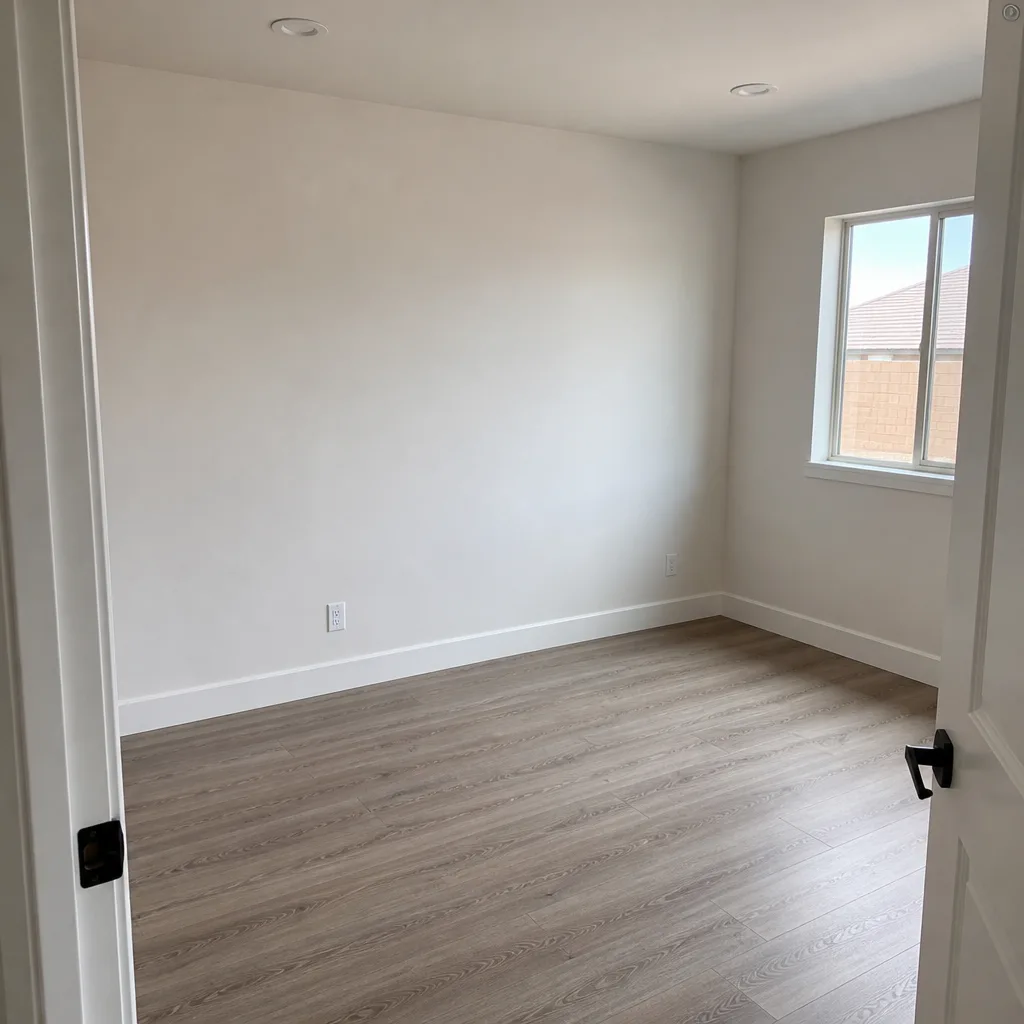 After
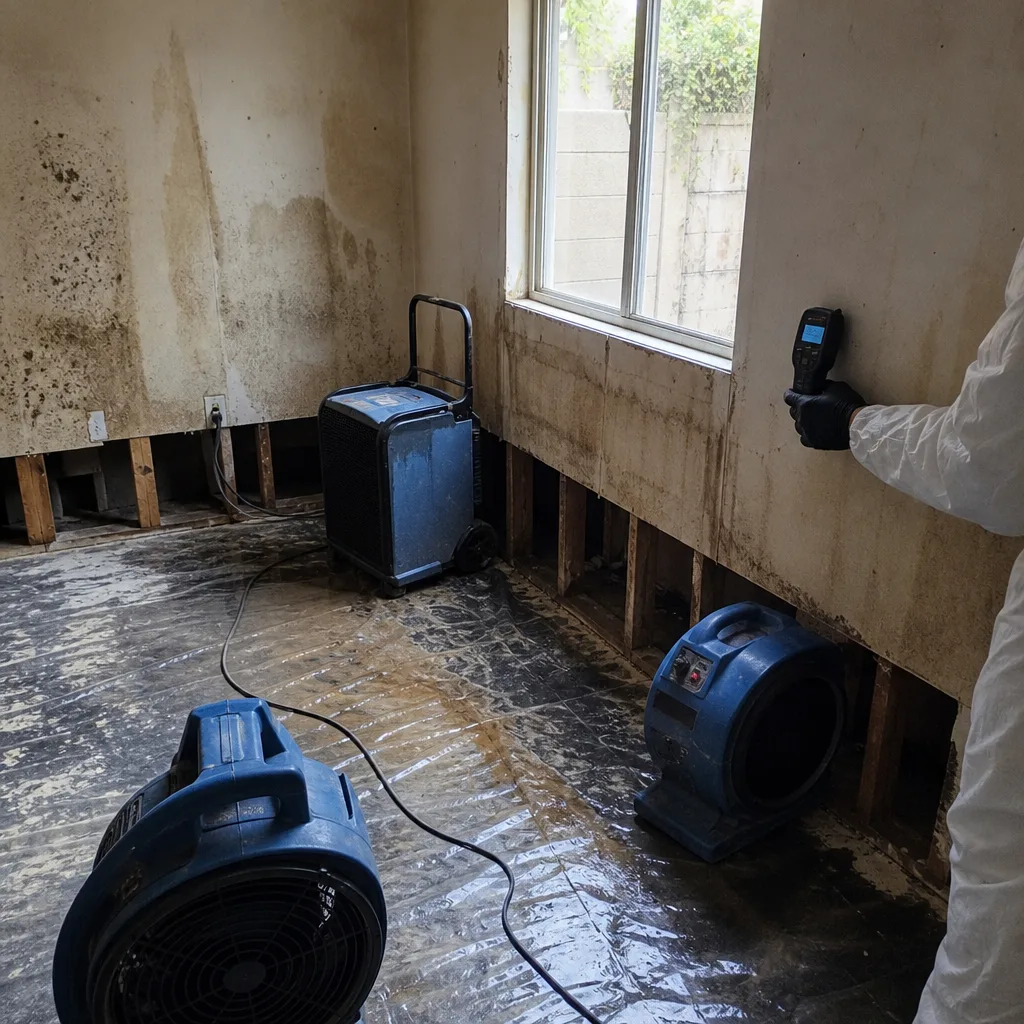 Before
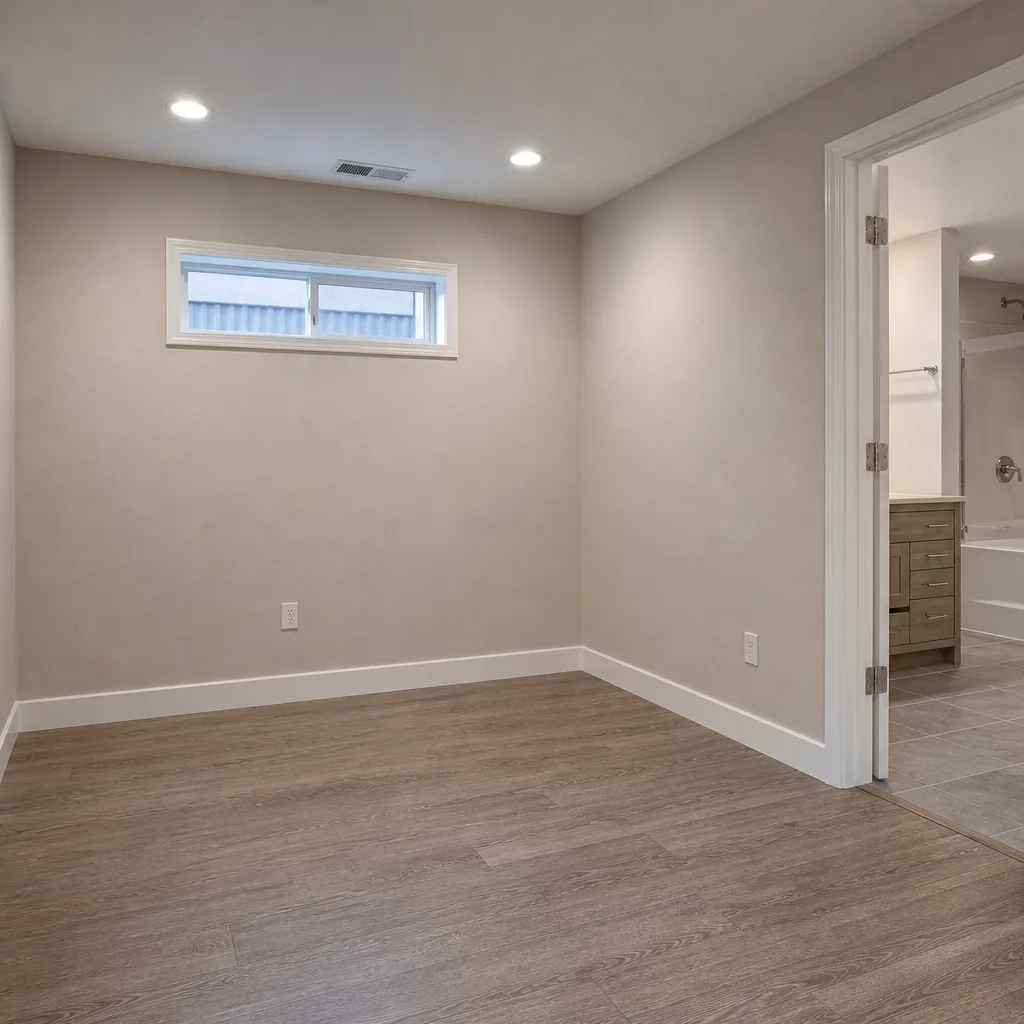 After
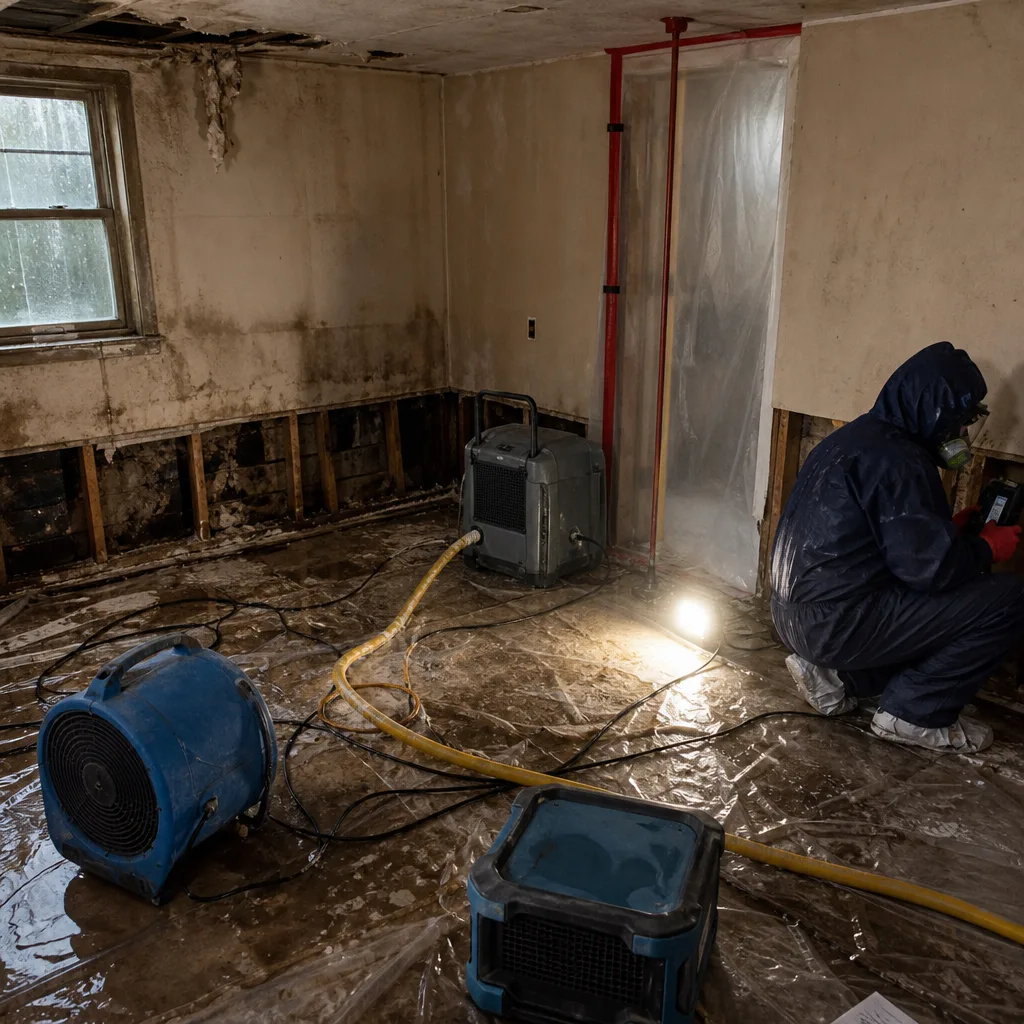 Before
 After