
Last updated October 30, 2026
 Water damage drying
 Fire & smoke cleanup
 Mold remediation
 Storm response
 Sewage cleanup
 Reconstruction
Free visual inspection and a written scope of work before any mitigation begins - photos, moisture readings, and drying logs go in your claim file
The scope we write is the scope we bill. Anything new gets shown to you, in writing, before we touch it.
Get your free estimateDamage Restoration Warning Signs: A Paradise Homeowner’s Reference Guide
The most expensive water damage claim we see in Paradise doesn’t start with a burst pipe or a flash flood. It starts with a faint odor in a hallway, a door that suddenly sticks, or a patch of paint that looks slightly wrong. Homeowners notice these things for weeks, sometimes months, before the damage becomes impossible to ignore. By the time the ceiling stains or the baseboard warps, the moisture has typically been working through framing, subfloor, and drywall long enough to turn a $3,000 repair into a $30,000 structural restoration. This guide exists to change that math. We’ll walk through the specific signals your Paradise home gives off when water is accumulating where it shouldn’t, how to read them, and when to make the call.
Quick Answer
The most common early warning signs of hidden water damage in Paradise homes are persistent musty odors without visible water, door and window frames that begin to stick or bind, bubbling or peeling paint in isolated patches, and baseboards that separate from the wall or show staining at the bottom edge. These signals indicate active moisture accumulation behind surfaces, even when the visible surface feels dry, and they typically require professional assessment with moisture meters and thermal imaging to locate the source. In Paradise’s desert climate, a musty smell is never “just the desert” – it means moisture is active somewhere in the building envelope.
Restoration work we handle
Table of Contents
- The Moisture vs. Humidity Distinction Every Paradise Homeowner Needs
- Room-by-Room Visual Indicators: Reading Stains, Bubbles, and Cupping
- The Odor Identification Guide: Mold, Efflorescence, or Sewage
- Structural Warning Signs: When Framing Fights Back
- Condensation Damage vs. Supply Leaks vs. Intrusion: Three Different Problems
- Active Damage vs. Old Damage: The Patterns That Tell You Which
- What You Can Diagnose Yourself (and Where to Stop)
- Common Mistakes to Avoid
- When to Call a Professional
- Frequently Asked Questions
The Moisture vs. Humidity Distinction Every Paradise Homeowner Needs
Paradise sits in a climate where the ambient outdoor air is dry most of the year. That fact creates a dangerous false assumption: that anything indoors will eventually dry out on its own. It won’t. The moment water gets behind a surface, behind drywall, under vinyl plank flooring, inside a wall cavity, the ambient desert air can dry the outer surface while the substrate underneath stays wet for weeks. This is why you’ll see homeowners describe a wall that “feels dry to the touch” while mold is actively colonizing the stud cavity behind it.
The distinction that matters is between humidity and trapped moisture:
- Ambient humidity is water vapor in the air. In Paradise, indoor humidity typically runs 20-40% most of the year. When it spikes above 60% indoors, you have either a cooling system problem, a ventilation problem, or active evaporation from a wet material somewhere.
- Trapped moisture is liquid water absorbed into building materials. Drywall, OSB subfloor, and wood framing can hold water at 15-30% moisture content for extended periods. The surface can feel bone dry while the core of the material is saturated.
In our experience, Paradise homes with stucco exteriors are particularly prone to trapped moisture because the exterior finish hides water intrusion behind it. A hairline crack in stucco, a failed window flashing, or a roof leak that runs down inside the wall cavity can go undetected for months because the water never reaches a surface where you’d see it. The first visible evidence is often on the interior drywall, by which point the framing behind it has been wet for a long time. Professional-grade moisture meters from brands like Dri-Eaz are designed to read moisture through surfaces, not just on them, which is why a technical assessment catches what a hand check cannot.
Room-by-Room Visual Indicators: Reading Stains, Bubbles, and Cupping
Every room in a Paradise home gives off different signals when water is present, because each room has different materials, different water sources, and different airflow patterns. Learning to read the specific signals in each room is the equivalent of learning your home’s diagnostic language.
Bathrooms and Kitchens
Look for staining at the bottom 6 inches of baseboard and cabinetry, a pattern that almost always indicates supply-line leaks, drain-line seepage, or shower-pan failure. In bathroom vanities, the board directly under the sink trap shows water damage first. Check it. In kitchens, the clearest signal is a dishwasher that leaves a faint dark line at the seam where the kickplate meets the cabinet base. That line means the drain hose or supply line is seeping during cycles. Grout or caulk that stays darkened long after a shower has dried is another clear sign that water is wicking into the substrate rather than draining properly.
Ceilings and Upper Walls
Ceiling stains in Paradise fall into two families: those directly below a roof penetration, vent, skylight, or upstairs bathroom, which indicate gravity-driven water arriving from above, and those with no obvious source above, which often mean a leaking pipe inside the ceiling cavity. The shape of a ceiling stain tells you a lot. A ring with a defined outer edge and lighter center is older damage that has partially dried. A stain that expands across the ceiling in an irregular, spreading pattern is active. Paint bubbling on a ceiling, especially in one isolated spot, is almost always active moisture trapped between the paint film and the drywall.
Flooring
Floor cupping is the term for hardwood or laminate planks that rise at the edges and form a concave shape across the plank width. Cupping happens when the underside of the flooring absorbs moisture and expands while the top surface stays drier. In Paradise homes, we regularly see cupping near sliding glass doors, under refrigerators, and in hallways adjacent to bathrooms. Vinyl plank flooring gives a different signal: edges that lift or peek upward at the seams, or a subtle ripple that wasn’t there when the floor was installed. Carpet signals include dampness that persists more than 24 hours after a spill, a musty odor concentrated in one corner, or visible dark staining at the base of walls.
Tile floors hide water well. The signal to look for is grout lines that stay dark, or tile that sounds hollow when tapped, indicating the mortar bed underneath has broken down from moisture.
Garage and Laundry
In Paradise, the water heater and laundry connections are frequently in the garage. Look for rust staining at the base of the water heater, which indicates either a slow tank leak or a failed pressure-relief valve. Check the wall behind the washing machine for peeling paint or softened drywall. And pay attention to any warping or darkening at the bottom 2 feet of garage drywall, the height where water pools before it spreads.
The Odor Identification Guide: Mold, Efflorescence, or Sewage
Your nose is a legitimate diagnostic instrument. Here’s the practical odor guide for Paradise homeowners, based on what each smell actually indicates and how urgent the response should be.
- Active mold growth smells like damp earth, wet socks, or a forest floor. It’s organic, musty, and persistent. It doesn’t fade when you open a window. In Paradise homes, this odor is often concentrated in bathrooms with poor ventilation, under sinks, or in closets that share a wall with plumbing. Active mold is a health concern and a structural concern. Response: professional assessment within days.
- Old water damage or efflorescence has a flat, chalky, or dusty smell. Efflorescence is the white mineral deposit left when water evaporates from masonry or concrete. It’s a sign that water moved through the material at some point, but it doesn’t necessarily mean mold is active. Response: assess the source. If the material is dry and the staining is historical, repair can be scheduled rather than dispatched urgently.
- Sewage intrusion smells like rotten eggs, sulfur, or a portable toilet. This is unmistakable and it is an emergency. Sewage introduces pathogens that require professional containment and sanitization, not just drying. In Paradise, sewage events happen from backups in aging sewer lines, failed ejector pumps, or toilet overflows that saturate flooring. Response: immediate professional intervention. Do not attempt to clean sewage-affected materials yourself.
- Standing water that’s been trapped for multiple days takes on a sweet, almost sickly odor. This is the smell of anaerobic bacteria establishing in the water. If you smell this, there is a hidden pool of water somewhere and it has been there long enough to become a biological hazard. Response: locate and extract immediately.
One clarifying note for Paradise: the odor of wet or damp material in a desert home is more noticeable, not less, because the baseline indoor environment is so dry. A musty smell stands out more against clean desert air. If you smell something, it is not your imagination, and it is not the climate.
Structural Warning Signs: When Framing Fights Back
Wood that absorbs moisture swells. Wood that swells pushes against the materials attached to it. That physical movement creates signals you can read long before you see any water staining. These are the structural warning signs we see most often in Paradise homes:
- Door and window frame binding: If an interior door suddenly sticks or scrapes at the top corner, it’s rarely a hinge problem. It’s the door frame swelling from moisture in the surrounding framing. This is especially telling in Paradise, where dry ambient air normally causes wood to shrink and gaps to widen, not close. A door that binds in a desert home is almost always a moisture signal.
- Drywall cracking at corners: Moisture doesn’t just swell wood. It also softens the drywall compound at taped joints. When the framing behind a corner swells, the drywall corner cracks in a pattern that follows the joint line rather than radiating from a point. Hairline cracks that run evenly along inside corners, especially in rooms where you’ve never noticed them before, deserve investigation.
- Baseboard separation: When the bottom plate of a wall gets wet and swells, it pushes the baseboard away from the wall. You’ll see a gap at the top of the baseboard, or nails that have popped through the face of the trim. This is one of the clearest indicators that hidden moisture is active in the wall cavity.
- Drywall that feels soft or spongy: Press gently on the drywall in low areas, near baseboards, and around plumbing fixtures. Drywall should feel firm with slight give. If it compresses or feels like it has lost its rigidity, the gypsum core has absorbed water.
- Nail pops appearing in clusters: Single nail pops happen in every home from minor settling. Clusters of nail pops appearing over a short period, especially in a wall that shares a bathroom or kitchen, indicate the drywall has swelled and is pushing fasteners out.
These structural signals matter because they often precede visible water damage by weeks. When you catch a binding door or a separating baseboard early, you’re responding while the affected area is still measured in square feet, not rooms.
Condensation Damage vs. Supply Leaks vs. Intrusion: Three Different Problems
Not all water damage comes from a plumbing failure. In Paradise, where air conditioning runs for much of the year, condensation is a significant and underdiagnosed source of moisture damage. These three categories require different responses, and mistaking one for another leads to incomplete fixes.
Condensation Damage
Condensation happens when warm, humid air touches a cold surface. In Paradise homes, the classic sites are AC supply vents, poorly insulated ductwork in unconditioned spaces, and cold water pipes in walls or ceilings. The water is clean, but the damage pattern is distinctive: small, scattered water marks around a vent, or a ring of discoloration at the ceiling around a diffuser. Condensation damage usually appears during peak cooling season and stops when the AC stops running. The fix is typically insulation, airflow correction, or duct sealing. If you address condensation as if it were a plumbing leak, you’ll cut drywall, replace pipe, and the problem will return. Our Water Damage Restoration in Paradise team frequently diagnoses condensation issues that other contractors misidentified as supply leaks.
Supply Line Leaks
Supply leaks come from pressurized water lines. They are continuous, meaning they leak regardless of whether a fixture is in use. The damage pattern is steady progression: staining that grows day by day, water that pools or drips, and a moisture meter reading that stays elevated. Supply leaks are the most urgent type of concealed leak because they introduce water continuously. A pinhole leak behind a wall can release 10-15 gallons per day, week after week.
Intrusion Damage
Intrusion is water entering from outside the home: rain through a roof defect, groundwater through a foundation crack, or storm water through a failed window seal. In Paradise, intrusion events spike during monsoon season, when heavy rain hits a home that has been dry for months. The damage pattern from intrusion is typically concentrated at exterior walls, ceiling corners, or the junction of floor and wall on the lowest level. Intrusion water carries whatever it picked up on the way in: dirt, roofing material particles, and sometimes biological contaminants.
Each of these three problems calls for a different remediation approach. That’s why a proper diagnostic step matters before any drying equipment gets placed.
Active Damage vs. Old Damage: The Patterns That Tell You Which
One of the most valuable skills a Paradise homeowner can develop is distinguishing damage that is currently happening from damage that already happened and stopped. The distinction changes everything: old damage needs repair. Active damage needs intervention first, then repair.
Signs of Active Damage
- Staining that is dark, damp, or growing. Active water stains expand and darken over days. If you mark the edge of a stain with a pencil and it grows past the mark, the water source is still present.
- Paint bubbling or blistering. This is water actively trapped under the paint film, pushing it away from the surface.
- Materials that feel cool or damp to the touch even when the room is dry.
- Odor that intensifies rather than fades.
- Baseboards or trim that have recently separated or warped.
Signs of Old (Dormant) Damage
- Staining with a defined outer ring and a lighter or even-colored center. The water stopped, and the stain dried in place.
- Efflorescence, the white mineral crust on concrete, masonry, or grout.
- Cracked or flaking paint from past moisture that is now dry to the touch.
- Water marks that have not changed size or appearance in weeks.
- Musty odor that is faint and does not change with weather or HVAC use.
If you’re uncertain whether damage is active, there’s a simple protocol. Purchase a basic pin-type moisture meter from a hardware store, about $25-40. Take readings in the suspect area and in a known-dry area of the same material. If the suspect area reads 15% or higher on drywall and doesn’t drop after a few dry days, you have active moisture. If it reads under 10% and the area is physically dry, the damage is historical. For the record, the moisture meters we use professionally are significantly more precise than consumer models, but a basic meter will answer the active-versus-old question accurately in most cases.
What You Can Diagnose Yourself (and Where to Stop)
There’s a clear line between productive self-diagnosis and destructive guesswork. Our DIY vs Professional Damage Restoration: The Paradise Homeowner’s Decision Guide can help you understand where that line sits.
What You Can Do Yourself
- Visual inspection: Walk each room and check baseboards, under sinks, around toilets, behind the refrigerator, and at ceiling corners. Document what you find with photos and date stamps.
- Odor mapping: If you smell mustiness, try to localize it. Close doors to individual rooms for an hour, then open each and smell. Narrow the odor to a room, then to a wall.
- Moisture meter readings: As explained above, a basic meter will tell you active versus dormant in most cases.
- Water bill monitoring: A sudden unexplained spike in water usage, or a bill that climbs 20% or more without a change in habits, is a supply leak indicator. Check your meter with all fixtures off. If the low-flow dial is moving, water is moving.
- Toilet and fixture checks: Food coloring in the toilet tank will reveal a flapper leak. Checking supply valves for corrosion or drips takes two minutes.
Where Self-Diagnosis Stops
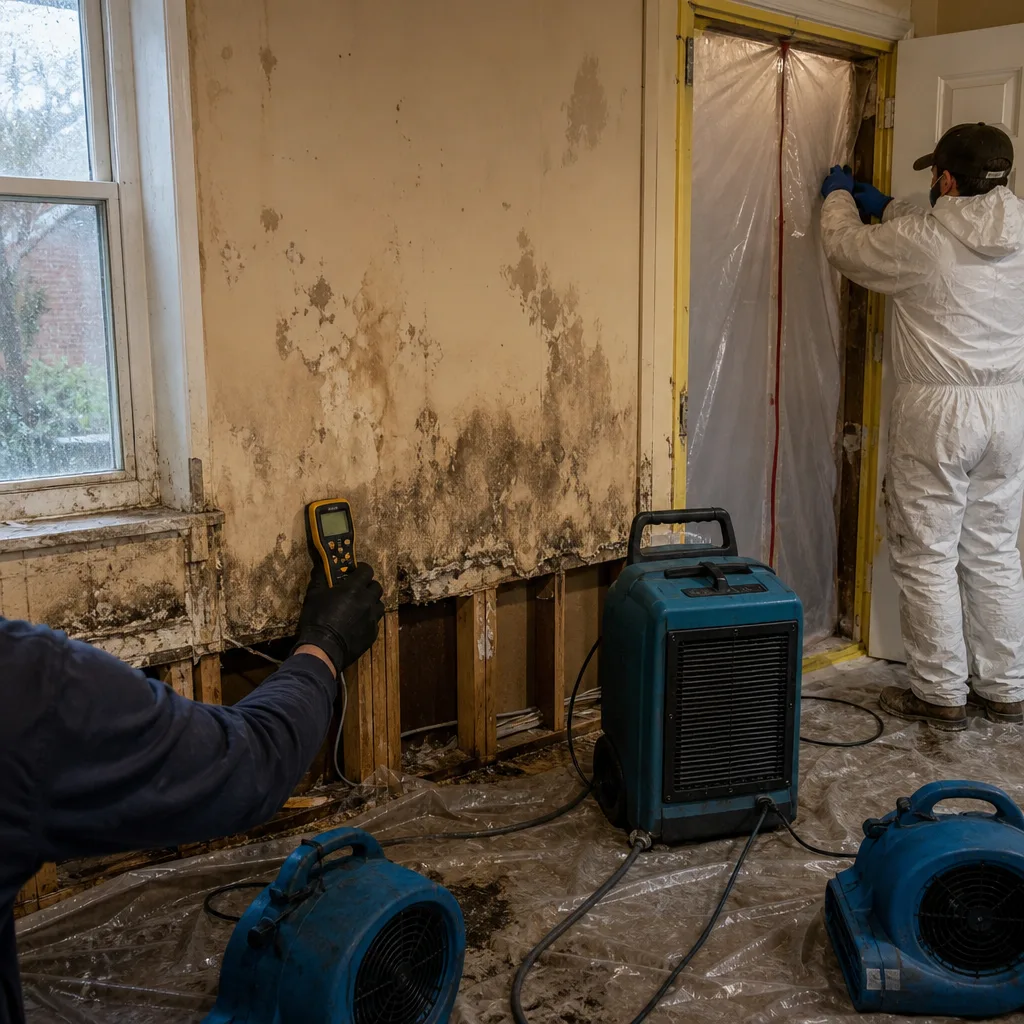
Stop when the answer requires opening walls, lifting flooring, or cutting drywall. Stop when you suspect sewage, which requires professional containment. Stop when the affected area is larger than you can reach with a single fan, because partial drying creates a false sense of resolution while moisture continues spreading through the building envelope. And stop when mold is visible in an area larger than about 10 square feet, which triggers the threshold where professional Mold Remediation in Paradise becomes the appropriate response rather than surface cleaning.
The reason to stop isn’t a lack of capability. It’s that concealed water damage spreads through materials in ways that aren’t visible from the surface. Our Injectidry system, for example, is designed to dry wall cavities and under flooring precisely because those spaces can’t be dried effectively from the outside. Without that capability, a homeowner will often dry the visible surface while the cavity stays wet, and the problem returns in months.
Common Mistakes to Avoid
- Sealing over an active stain with paint or primer. This is the most expensive mistake we see. Painting over active water damage traps moisture behind the new paint film, accelerates drywall degradation, and hides the problem until it’s structural. The stain will also bleed through, which means you’ll repaint twice.
- Assuming the desert will dry it out. Paradise’s ambient dryness does not reach inside wall cavities, under flooring, or behind baseboards. Trapped moisture stays trapped.
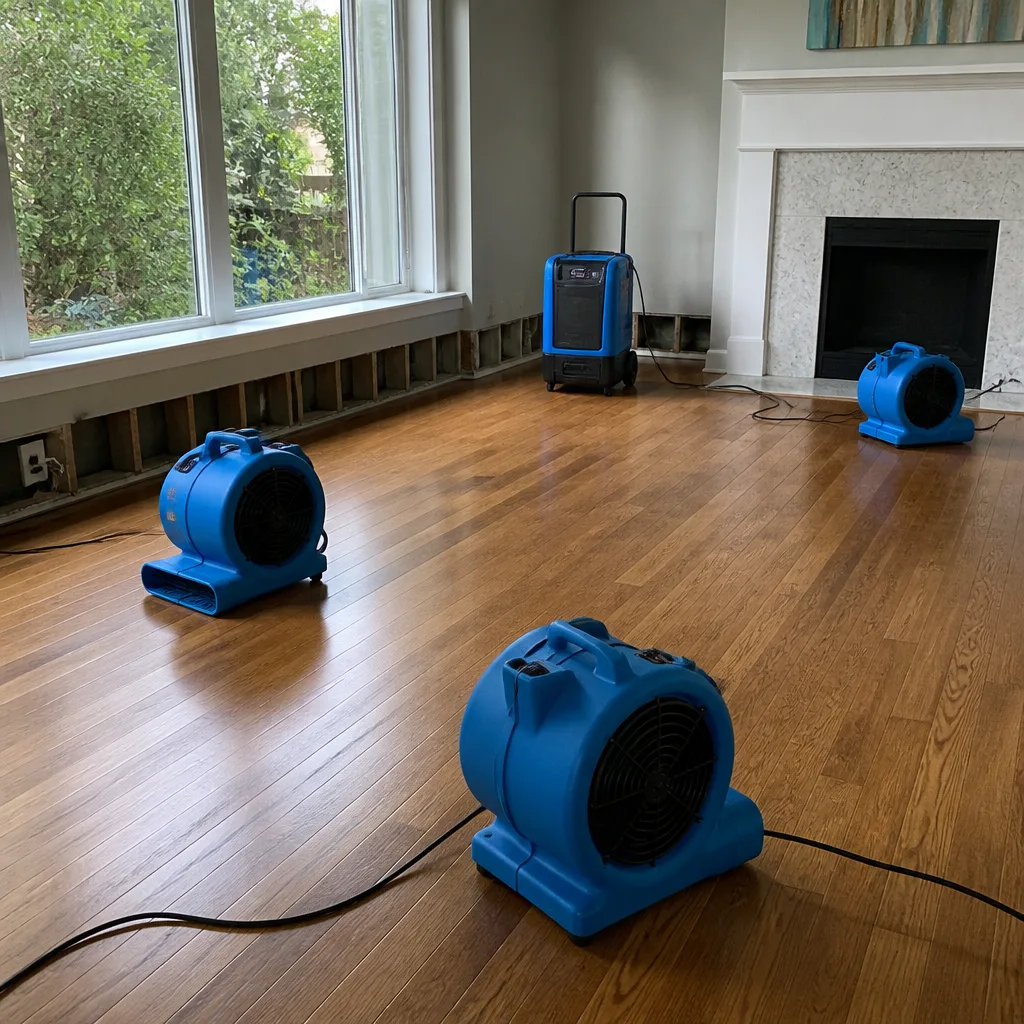
- Running a box fan on visible water and calling it done. Fans evaporate surface water and push the vapor into the air, where it can condense elsewhere in the home. Proper drying requires extraction, controlled airflow, and dehumidification matched to the size of the space. This is why we run Phoenix and B-Air air movers with commercial dehumidification on every water loss, regardless of size.
- Ignoring a musty smell because there’s no visible water. By the time water damage is visible on the surface, the hidden moisture has usually been present for weeks. Odor is an early warning system. Treat it as one.
- Cutting one hole in the drywall to “let it air out.” This creates a path for moisture to spread rather than a channel for it to leave. Proper drying requires controlled airflow through the cavity, which means professional equipment placement and monitoring.
- Accepting a contractor’s quote without moisture documentation. Any legitimate restoration assessment includes moisture readings, a written scope, and photo documentation. If a contractor can’t show you numbers, they’re guessing. In our experience working with insurance adjusters across Paradise, documented readings are the difference between a claim that processes cleanly and one that stalls.
- Treating condensation damage as a plumbing leak. Fixing the wrong problem means the real problem continues while you pay for unnecessary work. A proper diagnosis precedes every repair.
When to Call a Professional
Call when the affected area is larger than you can dry with household equipment. Call when you smell sewage or see water that has been standing for more than 24 hours. Call when you see visible mold growth larger than 10 square feet. Call when water damage involves electrical outlets, the electrical panel, or any wiring that may have been contacted. Call when the damage is from a fire event, because smoke and soot require different chemistry than water. And call when you’re a property manager or insurance adjuster who needs a documented, certified assessment you can rely on, because your reputation depends on the referral being solid.
Valiant Water Damage offers free estimates in Paradise. Call (844) 716-1094 and we’ll send an IICRC-certified technician to assess the situation with professional-grade moisture detection equipment. You’ll get a straight answer and a written scope before any work begins. One call covers water, mold, and fire, so you don’t have to coordinate multiple contractors during an already stressful situation. Our full-spectrum restoration approach means the team that dries your home is the same team that handles the repair, start to finish. Learn more about our fire restoration work on our Fire Damage Restoration in Paradise page.
Frequently Asked Questions
Active water damage shows as dark, damp, or expanding staining, bubbling paint, or materials that feel cool to the touch. Old damage shows as staining with a defined ring and lighter center, efflorescence, or dry water marks that haven’t changed in appearance. A basic moisture meter reading above 15% on drywall indicates active moisture, while readings under 10% indicate dry, historical damage. If you’re unsure, call (844) 716-1094 for a free professional assessment.
The most common cause of a musty smell without visible water in Paradise is trapped moisture behind drywall, under flooring, or inside a wall cavity where the surface has dried but the substrate remains wet. In a desert climate, a musty odor is a stronger signal, not a weaker one, because it stands out against dry ambient air. Common sources include slow supply-line leaks, shower-pan failures, and condensation from AC ductwork in unconditioned spaces. A professional moisture assessment with thermal imaging can locate the source without unnecessary demolition.
Water damage restoration costs vary widely based on the affected area, the category of water, and the extent of structural involvement. Small contained leaks that are caught early might run a few hundred dollars, while extensive hidden damage involving multiple rooms, framing, and flooring can run tens of thousands of dollars. The single biggest cost variable is how long the water was present before it was addressed, which is why early detection matters so much. Call (844) 716-1094 for a free estimate that includes documented moisture readings and a written scope.
Most homeowners insurance policies cover sudden and accidental water damage, but coverage for slow, long-term leaks varies significantly by policy and by insurer. Insurers typically distinguish between sudden events, like a burst pipe, and gradual damage, like a pinhole leak that ran for months. What matters most is documented evidence of when the damage occurred and what caused it, which is why we photo-document every assessment and can work directly with your adjuster to establish the timeline. For more guidance, start with our Valiant Water Damage home page to understand how our documentation process supports insurance claims.
You can clean up minor surface water yourself if the area is small, the water is clean, and you can dry it completely within 24-48 hours. You cannot effectively dry concealed spaces, wall cavities, or subfloor areas with household fans and a shop vac, because these spaces require controlled airflow and commercial dehumidification to remove moisture that isn’t visible. Incomplete drying leads to mold growth, structural degradation, and recurring odor problems. Professional drying also includes moisture monitoring to confirm the area is actually dry, not just dry-looking.
We respond to water, sewage, and fire emergencies in Paradise with same-day dispatch whenever possible. Call (844) 716-1094 and describe what you see, what you smell, and when it started. That information helps us bring the right equipment and the right crew to your door the first time. For emergencies involving water or fire, every hour matters, which is why our dispatch is structured around getting a certified technician to your property as quickly as possible.
The Bottom Line
Your Paradise home is a diagnostic system, not just a structure. Every room gives off signals when water is present, and most of those signals appear weeks before the damage becomes catastrophic. A stuck door, a separating baseboard, a musty smell that won’t fade, a water stain that grows past the pencil line: these are not random annoyances. They are your home telling you something specific. Learn to read them and you change the financial trajectory of every water incident, catching a $3,000 problem before it becomes a $30,000 one. Explore more guides & resources to protect your home year-round. When the signals point to concealed moisture, structural involvement, or anything you can’t see behind the surface, professional assessment becomes the cheapest option on the table. When damage strikes, Valiant answers.
Written by the team at Valiant Water Damage, serving Paradise since 2016.
See the difference
 Before
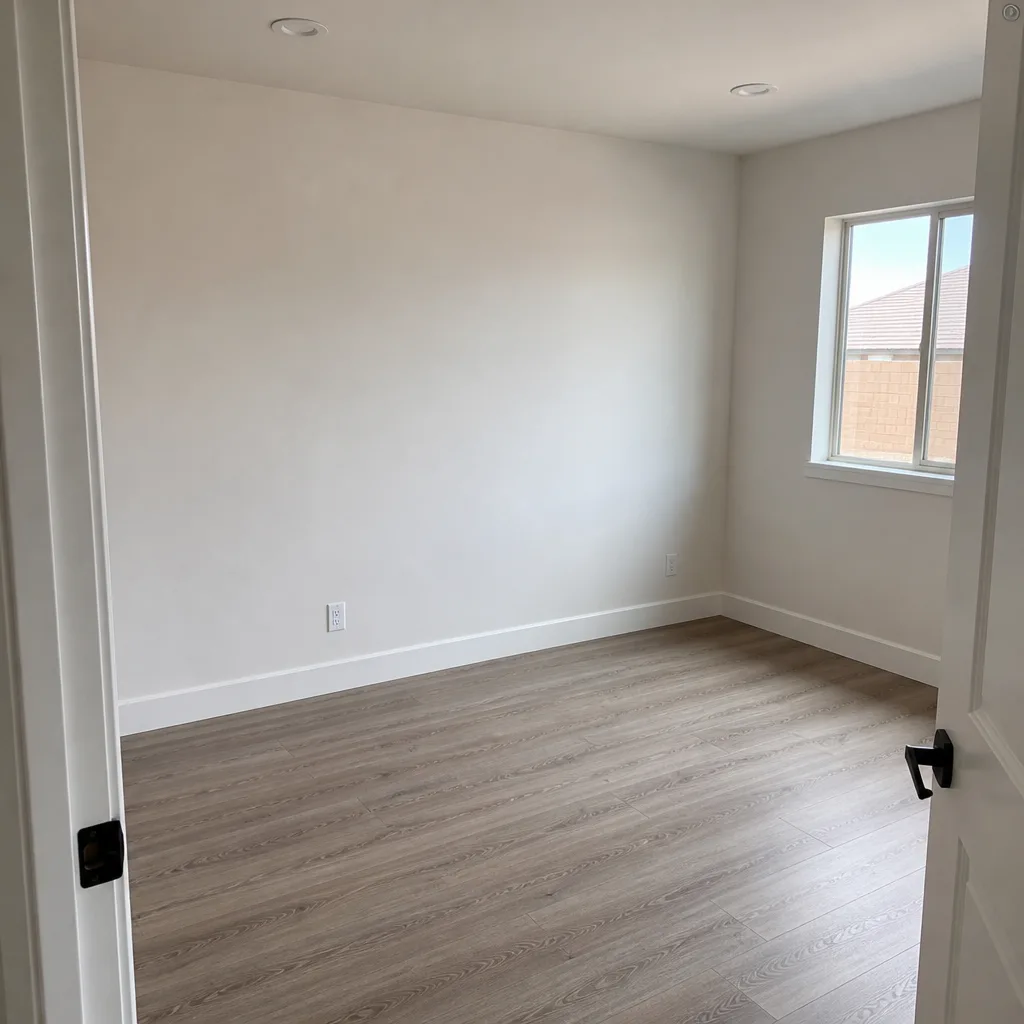 After
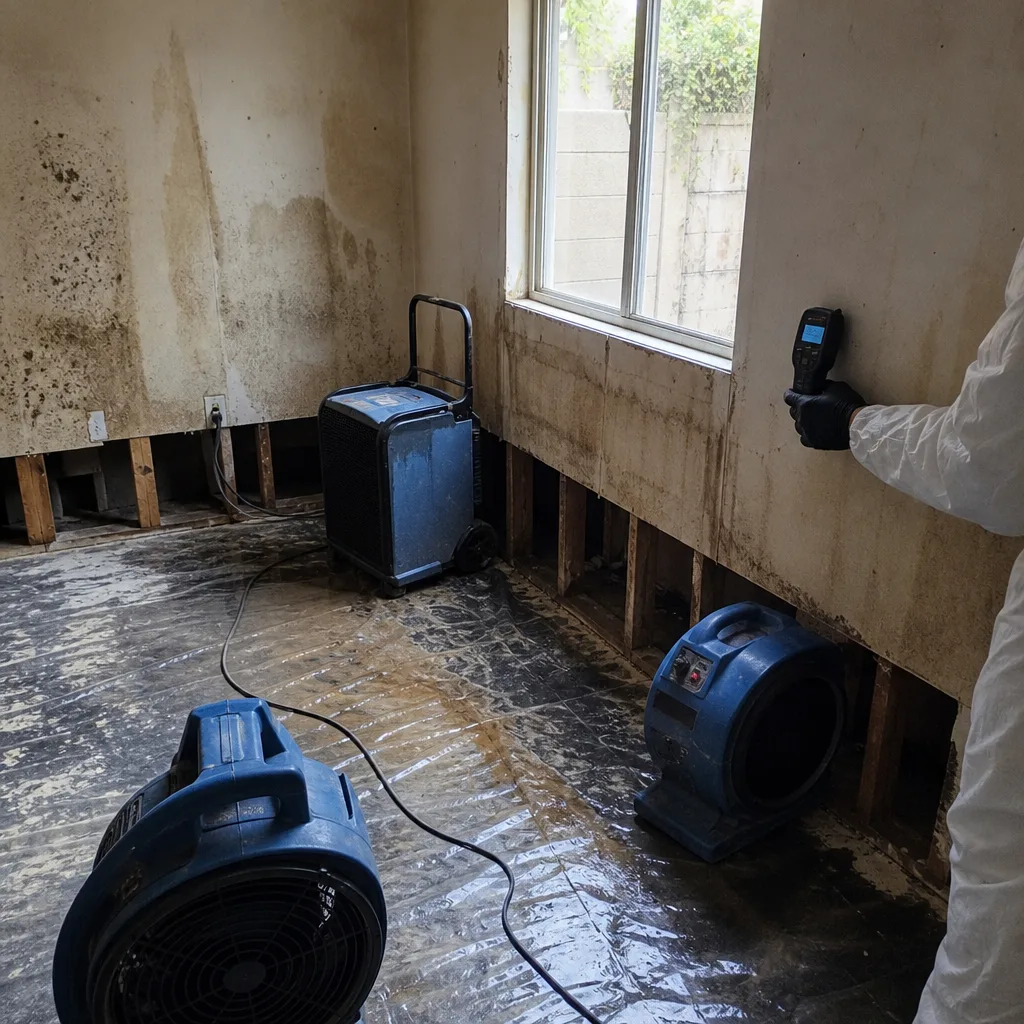 Before
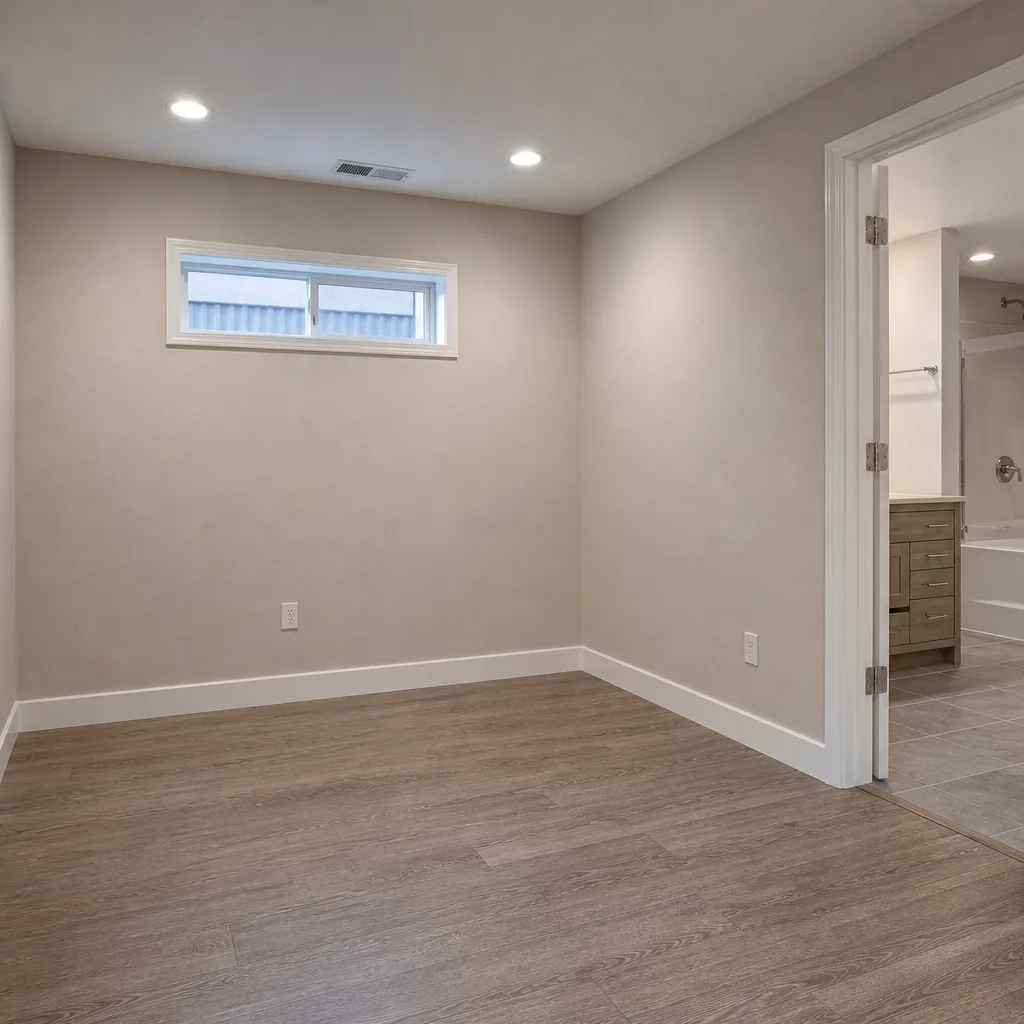 After
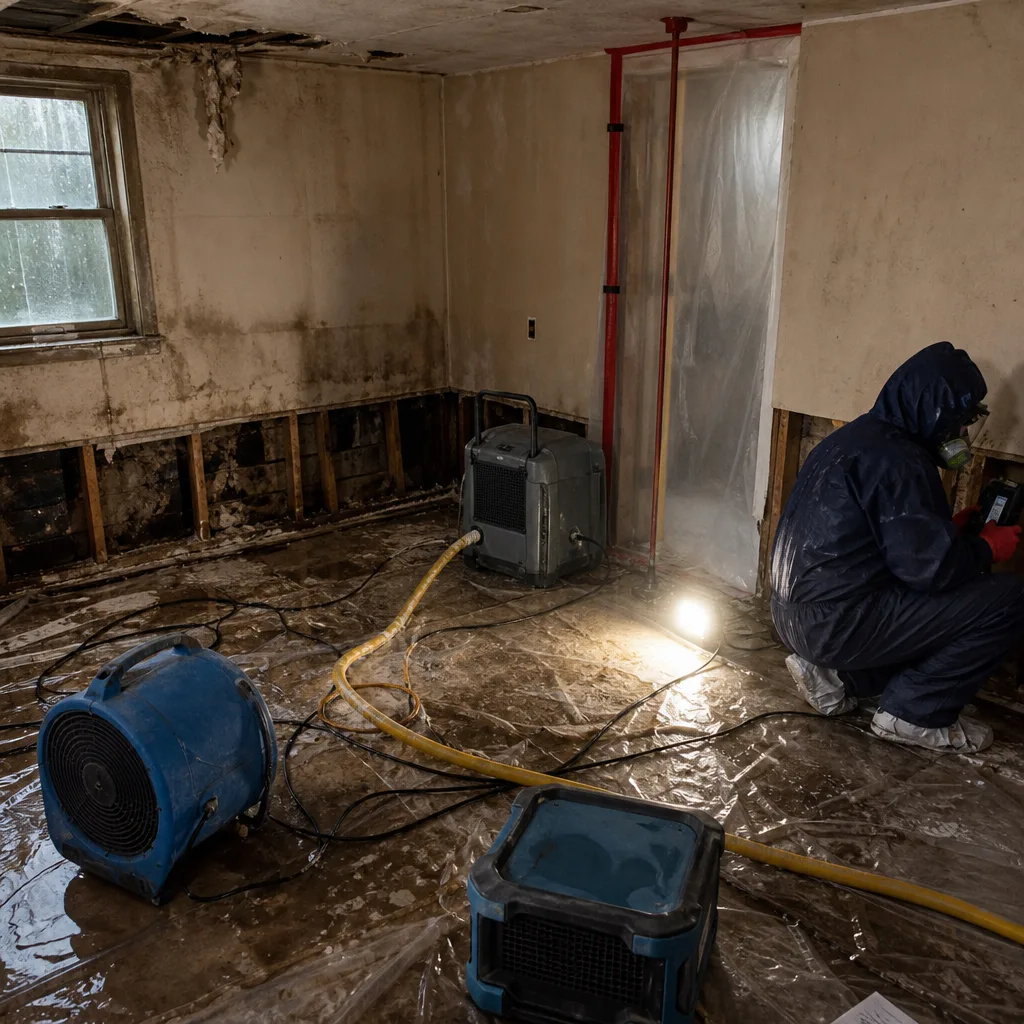 Before
 After