Last updated October 30, 2026
 Water damage drying
 Fire & smoke cleanup
 Mold remediation
 Storm response
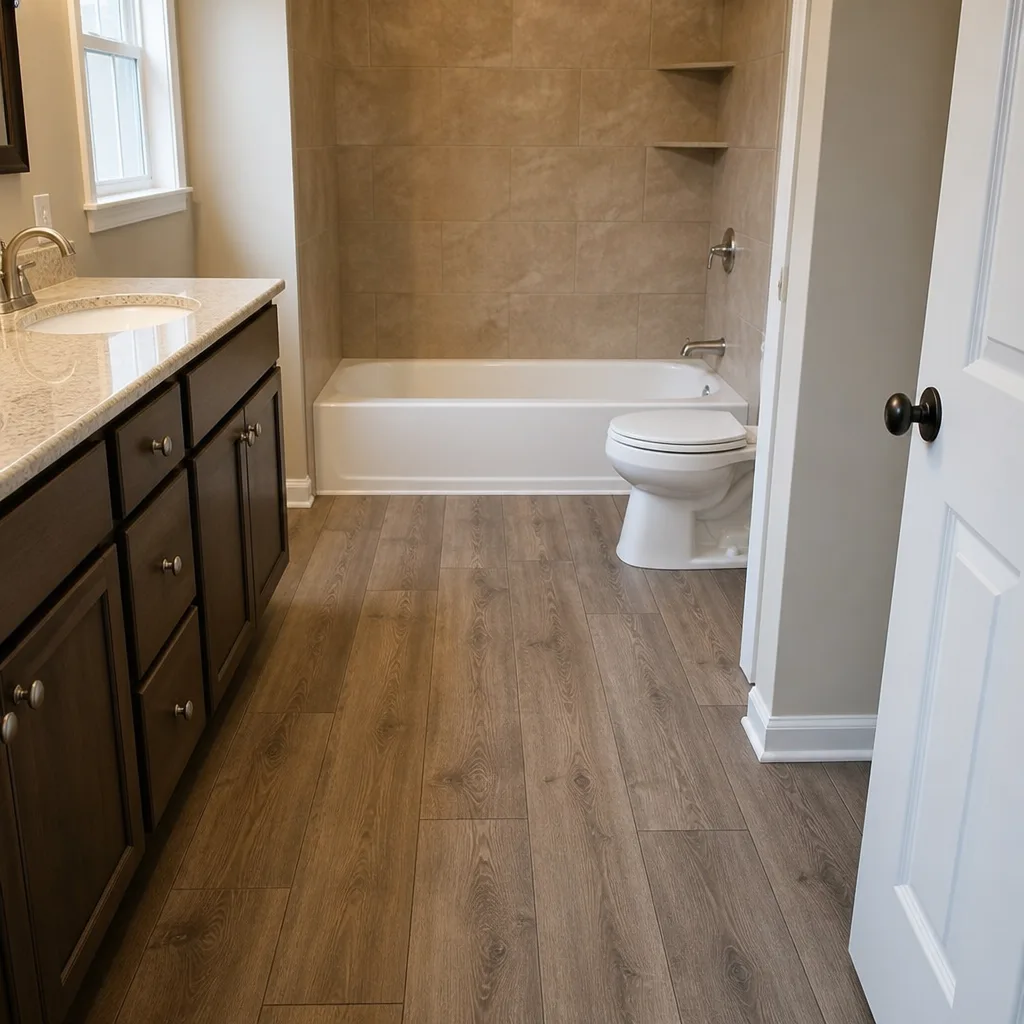 Sewage cleanup
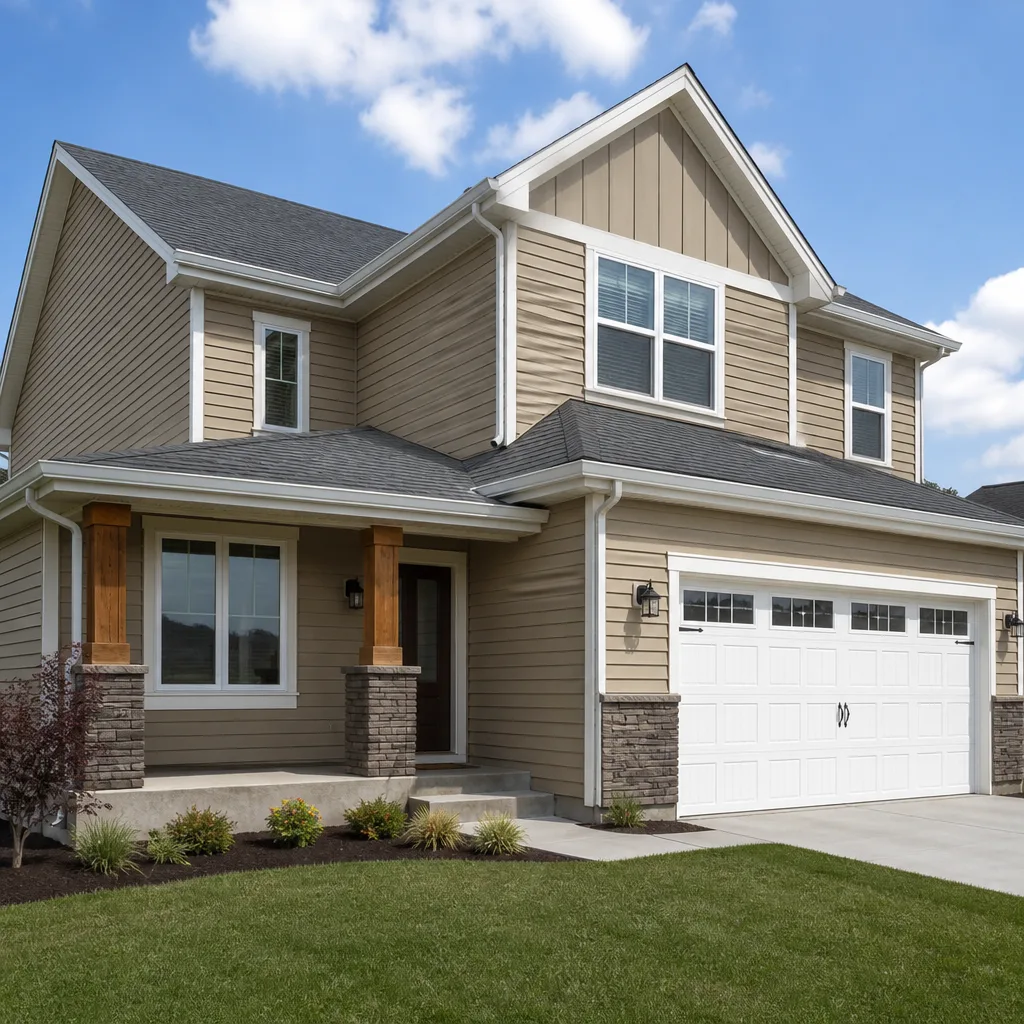 Reconstruction
Free visual inspection and a written scope of work before any mitigation begins - photos, moisture readings, and drying logs go in your claim file
The scope we write is the scope we bill. Anything new gets shown to you, in writing, before we touch it.
Get your free estimateHow to Hire a Damage Restoration Contractor in Paradise: A Step-by-Step Guide
After a major water loss in Paradise, you’ll likely have three contractors knocking on your door before you’ve even called your insurance company. And here’s the uncomfortable truth we’ve learned from working this market: the fastest one to arrive is statistically the least likely to carry proper certification. This guide cuts through the noise. You’ll learn exactly how to verify licensing, spot assignment-of-benefits traps, evaluate equipment quality, and structure a scope of work that protects you from day one.
Quick Answer
Hiring a damage restoration contractor in Paradise starts with verifying their Nevada contractor license on the NSCB database, confirming IICRC certification for the specific damage type, and getting a written scope of work before any demolition begins. Never sign an assignment of benefits at the door. The right contractor will show you their equipment, explain their drying plan, and welcome your questions.
Restoration work we handle
Table of Contents
- Verify the Nevada Contractor License First
- Understand What IICRC Certification Actually Means
- The Assignment of Benefits Red Flag
- Equipment Questions That Separate Pros from Pretenders
- How to Structure a Written Scope of Work
- Paradise-Specific Factors That Affect Restoration
- Working With Your Insurance Adjuster
- Red Flags to Watch for During the Job
Verify the Nevada Contractor License First
Every legitimate damage restoration contractor operating in Paradise must hold a valid Nevada State Contractors Board license. For restoration work specifically, you’re looking at two classifications: C-4 (Water Conditioning and Water Damage Restoration) and C-14 (Fire and Smoke Damage Restoration). A general contractor license alone doesn’t mean someone knows how to properly dry a structure.
Here’s the 60-second verification process we recommend to every homeowner in Paradise:
- Go to the NSCB website (nscb.nv.gov) and click “License Search.”
- Enter the contractor’s name or license number.
- Confirm the license is active, not expired or suspended.
- Check the classification matches the work you need (C-4 for water, C-14 for fire).
- Review any disciplinary actions or complaints on file.
We’ve seen unlicensed operators work Paradise neighborhoods after summer monsoon season, and they vanish as quickly as they appear. The license check takes one minute. Skipping it can cost you tens of thousands.
Understand What IICRC Certification Actually Means
The IICRC (Institute of Inspection, Cleaning and Restoration Certification) is the restoration industry’s gold standard for technician training. When a contractor says they’re certified, ask which certifications their technicians hold. The designations matter, and they’re not interchangeable.
- WRT (Water Damage Restoration Technician): Qualifies a tech to perform water extraction, set drying equipment, and understand psychrometry (the science of drying).
- ASD (Applied Structural Drying): Advanced certification covering complex drying scenarios, including hardwood floors, crawl spaces, and multi-level water migration.
- AMRT (Applied Microbial Remediation Technician): Specifically for mold remediation, including containment setup, negative air pressure, and safe removal protocols.
A company that says “we’re IICRC certified” without specifying which designations their crew holds is telling you a half-truth. For water damage in Paradise, you want at minimum WRT-certified techs on site. For mold, demand AMRT. The distinction is the difference between dry walls and a dormant moisture problem that resurfaces months later.
The Assignment of Benefits Red Flag
An assignment of benefits (AOB) is a document that transfers your insurance claim rights to the contractor. In the wrong hands, it’s a trap. Some storm chasers and high-pressure operators in the Paradise market use AOBs to bill inflated amounts directly to your insurer, and if the claim gets disputed, you’re the one left holding the bag.
Here’s what we tell every homeowner we meet in Paradise:
Never sign an AOB at the door. A reputable contractor will work with your insurance company without asking you to surrender your claim rights. We coordinate directly with adjusters, provide photo documentation, and bill transparently. If someone pressures you to sign an AOB before you’ve had time to read your policy or call your insurer, walk away.
Legitimate restoration companies in Nevada operate just fine without AOBs. The document exists to protect contractors from non-payment, but in practice, it’s most often used by out-of-state operators who descend on Paradise after a major weather event and need leverage to extract maximum payout.
Equipment Questions That Separate Pros from Pretenders
You can tell a lot about a restoration crew by what they pull out of the truck. Professional-grade equipment matters more than most homeowners realize, and the gap between commercial tools and box-store rentals is massive.
Ask these three questions before anyone starts work:
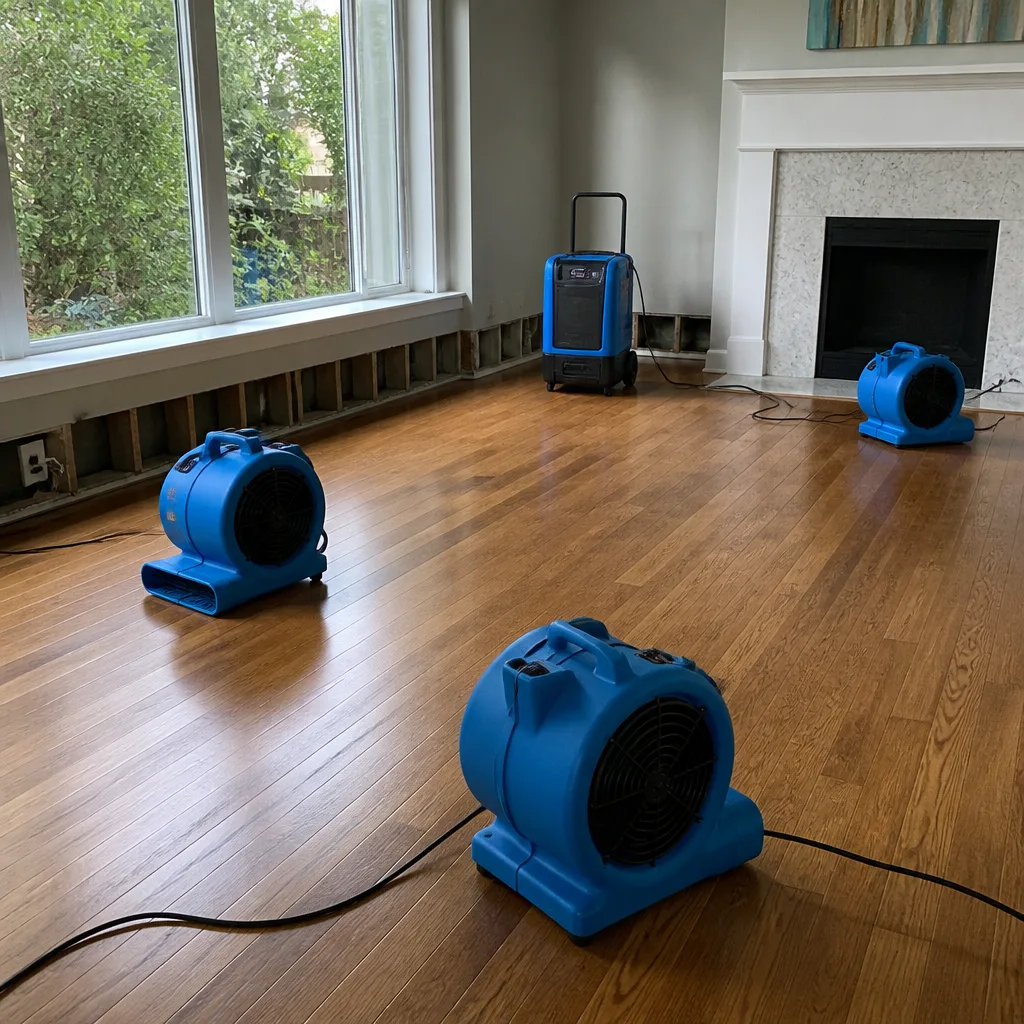
- “What’s your air mover-to-dehumidifier ratio?” Industry standard is roughly one dehumidifier for every 4-5 air movers, depending on the class of water loss. If they’re running 10 air movers and one small dehumidifier, they’re not actually drying anything, just circulating wet air.
- “Do you use thermal imaging for moisture mapping?” Moisture mapping with thermal cameras and moisture meters shows exactly where water has migrated behind walls and under floors. A crew that skips this step is guessing, and guesswork means missed pockets of moisture that breed mold later.
- “What brand of equipment do you run?” We deploy Dri-Eaz, Phoenix, XPOWER, and B-Air equipment on every job in Paradise. These are the same brands used on large commercial losses. If the contractor shows up with a fleet of rented dehumidifiers from a hardware store, that tells you they don’t do this work every day.
How to Structure a Written Scope of Work
Before any demolition starts, before any equipment gets plugged in, you need a written scope of work. This document protects you from scope creep, surprise charges, and the classic industry move where a small drying job turns into a full gut without your approval.
A proper scope of work should include:
- Exact work areas: Which rooms, which walls, which flooring sections are affected.
- Drying plan: Equipment type, quantity, and placement locations.
- Daily readings: Moisture content readings logged daily, with target dry standards clearly stated.
- Completion criteria: What specific numbers define “dry” for your structure and materials.
- Demolition boundaries: Exactly what gets removed and what stays.
- Timeline: Expected duration of drying, with checkpoints.
We also recommend asking for drying logs. A professional crew keeps daily records of moisture readings, equipment status, and ambient conditions. These logs are your proof the job was done right, and they matter if an insurance adjuster questions whether secondary damage was prevented.
Paradise-Specific Factors That Affect Restoration
Paradise sits in the Mojave Desert, which means our climate works both for and against restoration efforts. The dry air helps evaporate moisture quickly, but it also masks problems. A wall that feels dry on the surface in Paradise’s 8% humidity can still be saturated behind the drywall, feeding mold growth that stays invisible for months.
We’ve also seen how Paradise’s rapid growth affects restoration work. Newer construction in the valley often uses materials and assemblies that react differently to water intrusion than the older homes in established neighborhoods. What works for a 2005 stucco build doesn’t necessarily apply to a 1990s wood-frame home near the older sections of town.
The summer monsoon season brings flash flooding to Paradise, especially in low-lying areas and homes with slab foundations. Water intrusion during these events often carries sediment and contaminants that require more aggressive extraction and sanitation. A contractor who understands Paradise’s specific flood patterns will approach your loss differently than someone applying a generic playbook.
Working With Your Insurance Adjuster
Insurance is almost always in the room, even when no one says it out loud. The right restoration contractor in Paradise works as a bridge between you and your adjuster, not as an adversary to either side.
Here’s what effective adjuster coordination looks like:
- Photo documentation from day one: Every step, from initial assessment through final walkthrough, should be photographed and documented. We provide adjusters with complete photo packets that support every line item.
- Direct communication: Your contractor should be willing to speak directly with your adjuster, explain the technical basis for each recommendation, and negotiate scope on your behalf.
- Written estimates that match adjuster formats: Estimates written in standard industry formats (like Xactimate) streamline the claims process and reduce back-and-forth.
If a restoration company refuses to work with insurance or tells you to “just handle it yourself and we’ll bill you later,” that’s a red flag. Full-spectrum restoration specialists in Paradise deal with adjusters every week. It should be routine, not a confrontation.
Red Flags to Watch for During the Job
Even after you’ve vetted a contractor and signed a scope, stay alert. Here are the signs that a Paradise restoration crew is cutting corners or milking the job:
- No daily readings: If no one is checking moisture levels daily, they’re not actually managing the dry-out. They’re just running equipment and hoping.
- Equipment sitting idle: Air movers and dehumidifiers should run continuously until dry standards are met. If equipment is off every time you visit, ask why.
- Unexplained scope expansion: New work areas appearing without explanation or approval is a classic up-sell move.
- Pressure to sign change orders quickly: Legitimate change orders happen, but you should always have time to review them.
- Vague answers about “industry standard”: “That’s just how it’s done” isn’t an explanation. A professional can always tell you why something is necessary.
Common Mistakes to Avoid
- Hiring the first contractor who knocks: Paradise has its share of door-knockers after every storm. The first one at your door is often an out-of-state storm chaser with a rental truck and no local license.
- Signing anything on day one: Whether it’s an AOB or an open-ended work authorization, nothing should be signed before you’ve verified credentials and read the scope.
- Ignoring the drying process entirely: Many homeowners focus on the visible damage and skip understanding how drying actually works. That’s how mold problems start three months later in Paradise’s warm climate.
- Going with the lowest bid without comparing scope: A low bid that excludes full drying, moisture mapping, or proper documentation isn’t cheaper. It’s just less work.
- Not checking for the C-4 or C-14 classification: A general building license is not the same as a restoration license. Hiring a general contractor for water damage is like asking a family doctor to perform surgery.
- Waiting to call because “it’s not that bad”: In Paradise’s heat, water damage compounds fast. What’s clean water today is a microbial issue in 48 hours.
See the difference
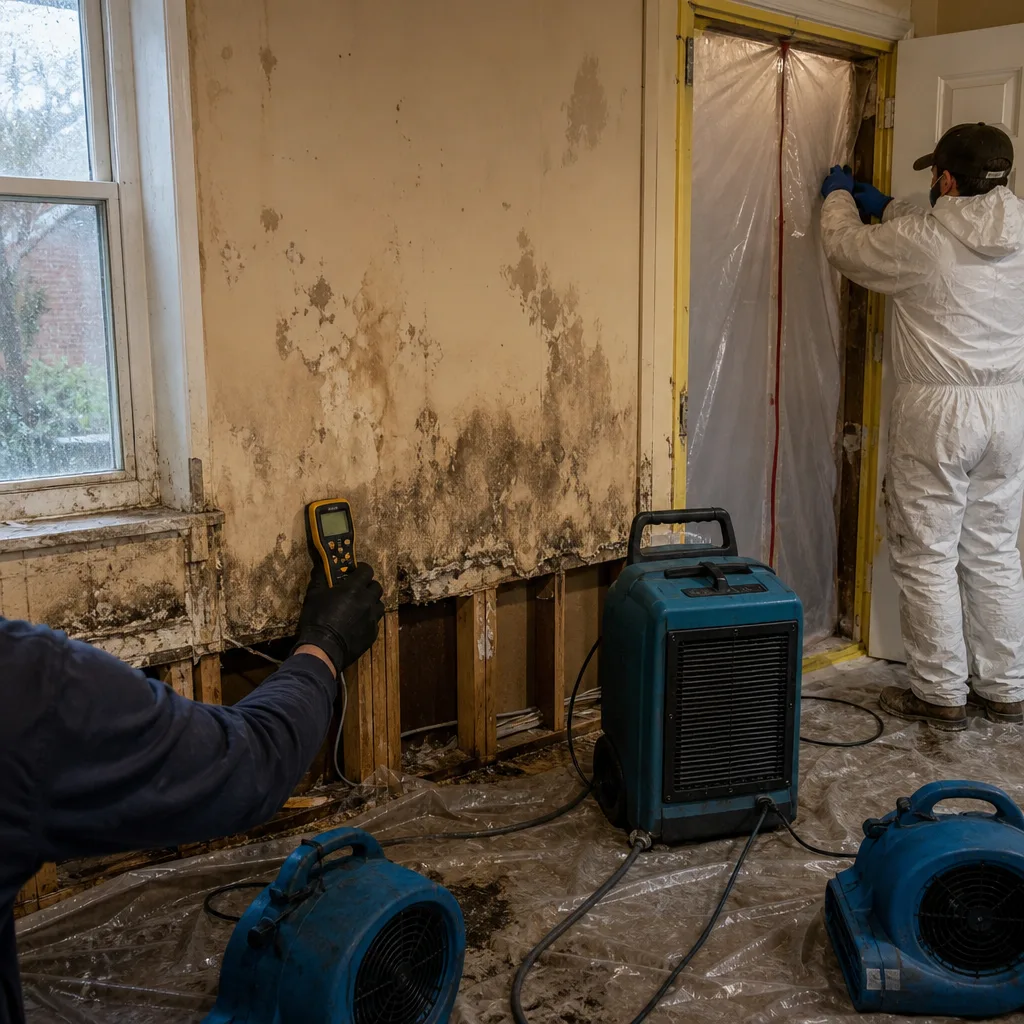 Before
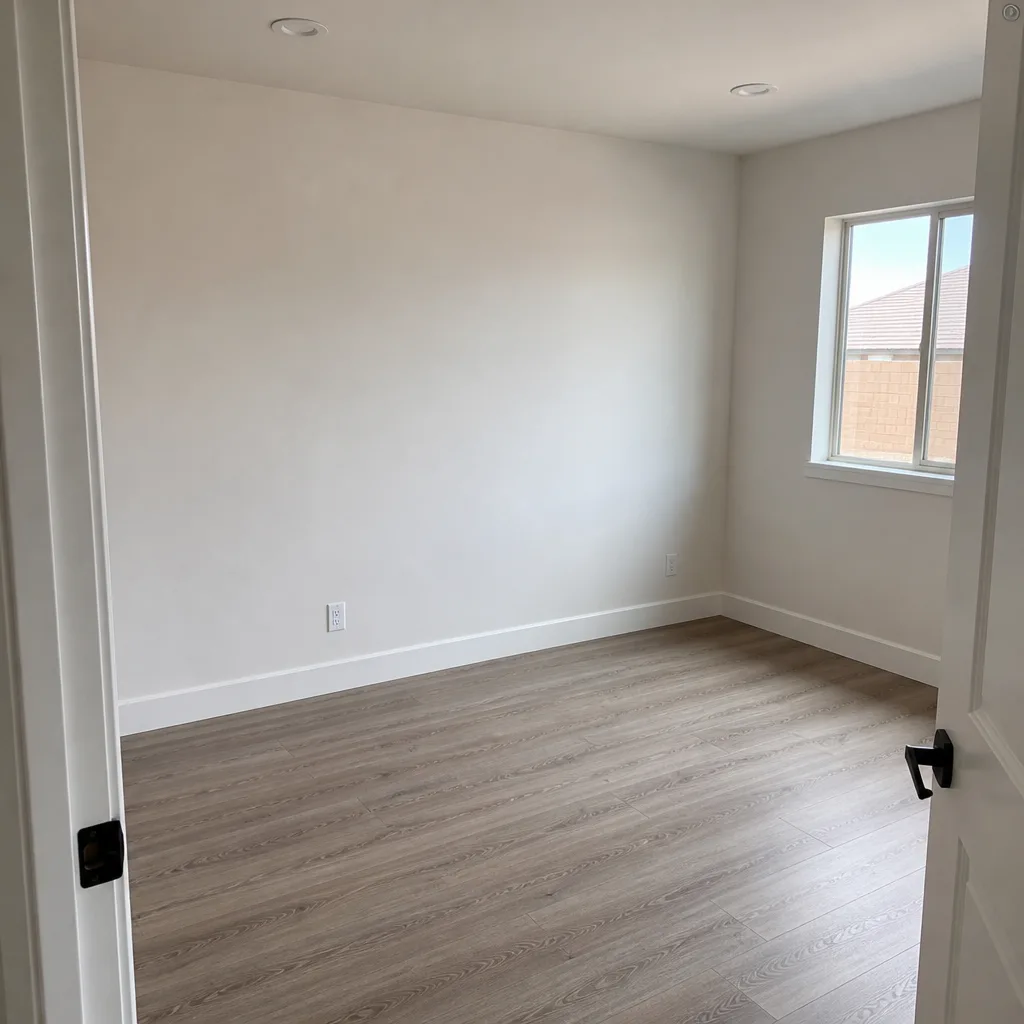 After
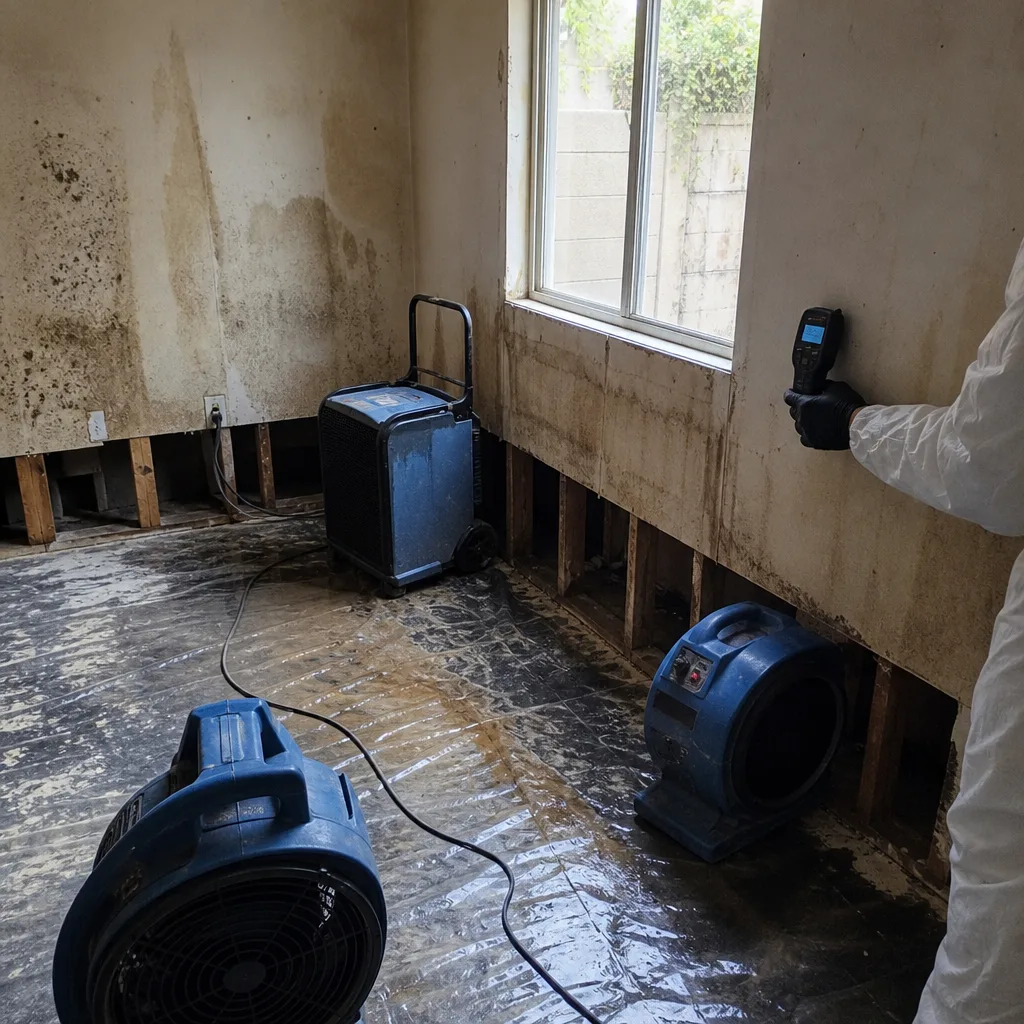 Before
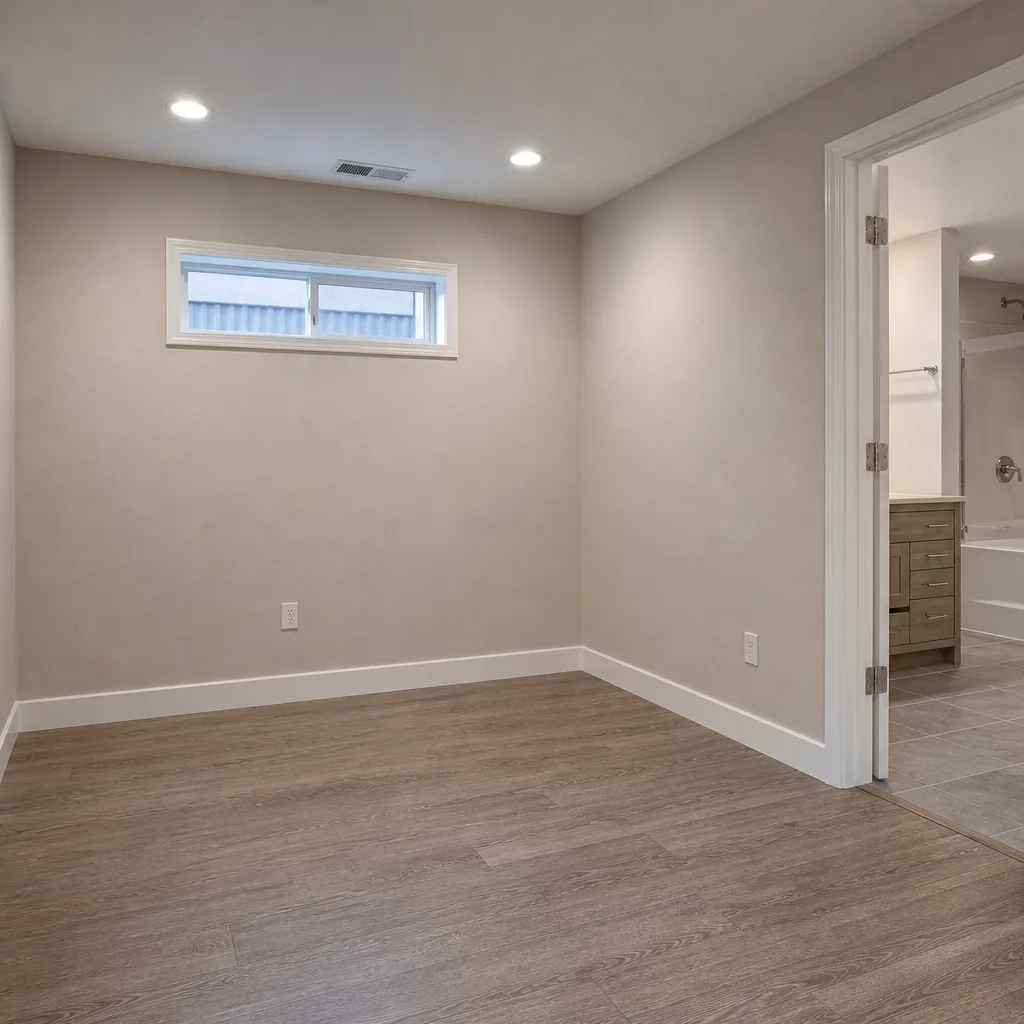 After
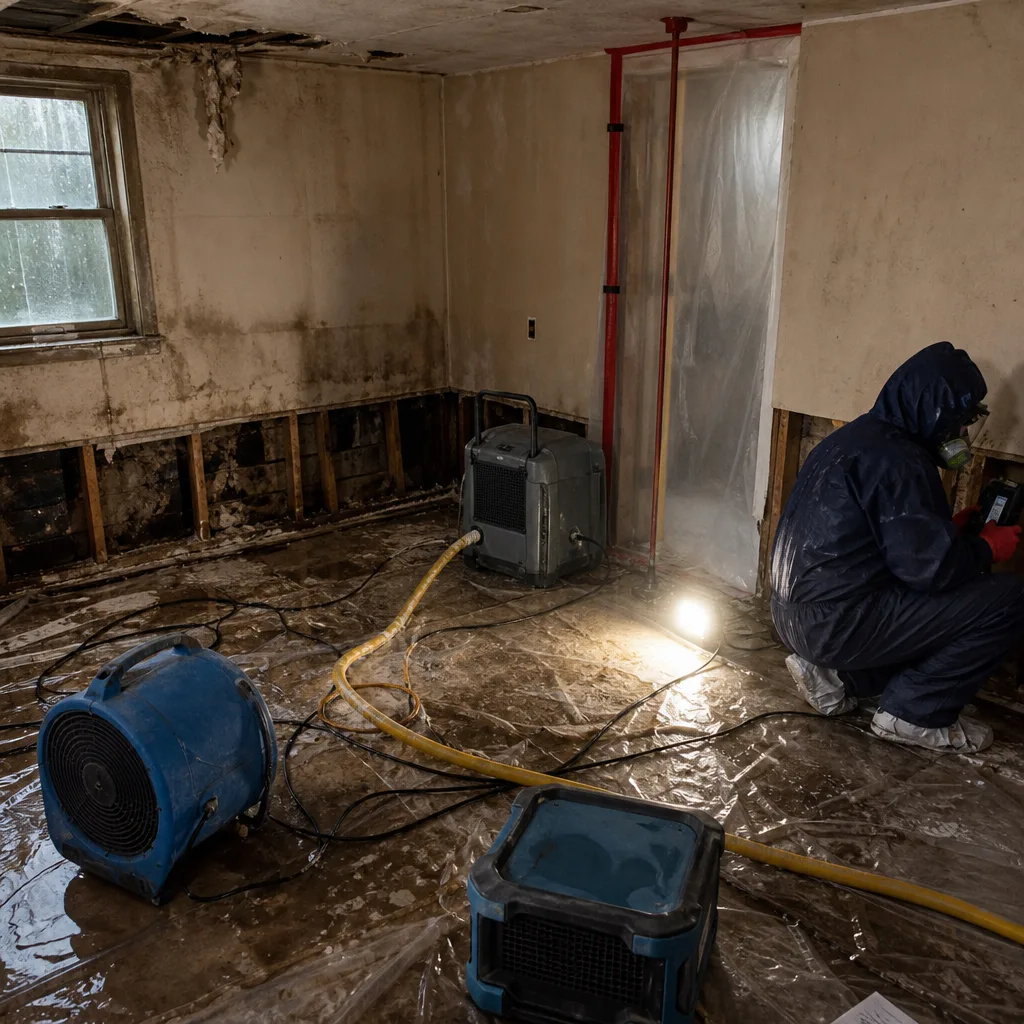 Before
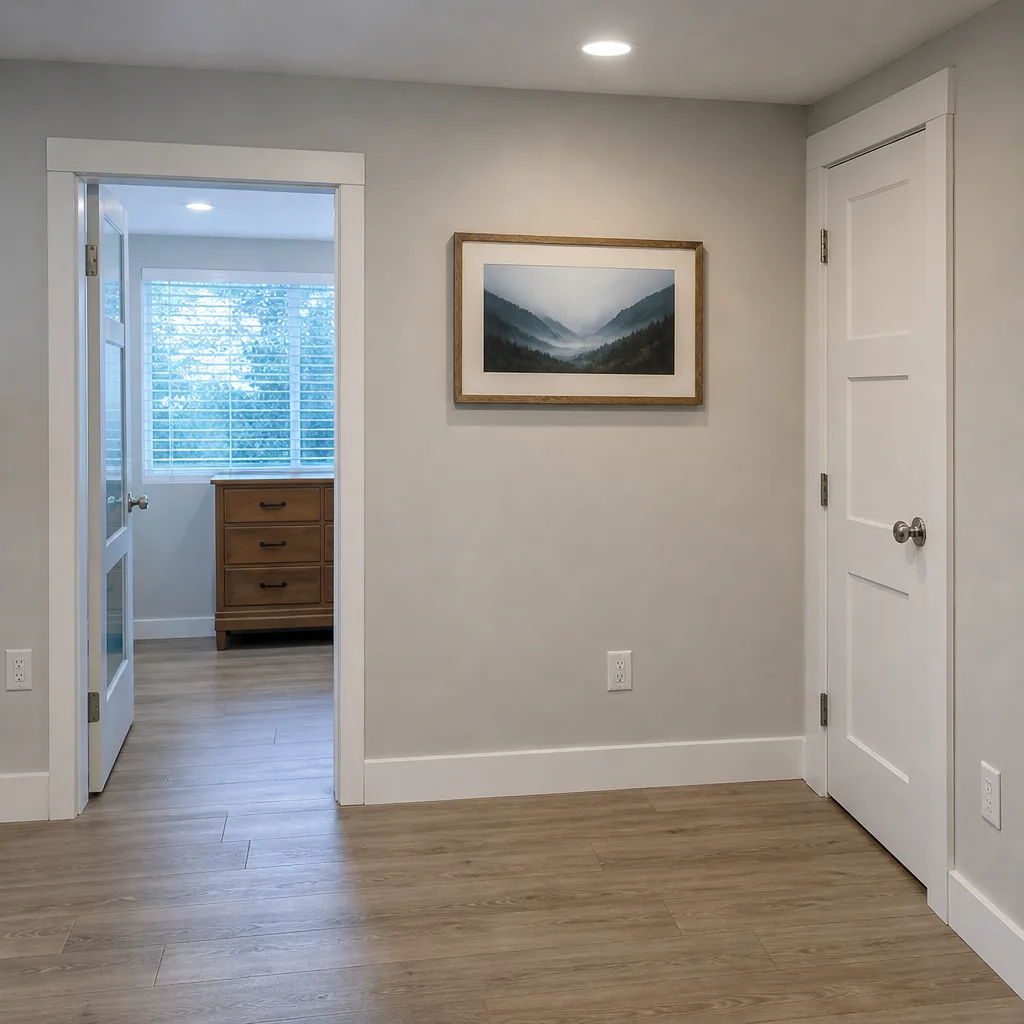 After
When to Call a Professional
Call a professional the moment you discover water intrusion that extends beyond a small spill, any visible mold growth larger than a dinner plate, or any fire or smoke damage. These are not DIY situations. Water migrates behind walls, under flooring, and into structural cavities where you can’t see it. Mold releases spores that spread through HVAC systems. Fire damage leaves residue that corrodes surfaces and creates ongoing health concerns.
Valiant Water Damage offers free estimates in Paradise. If you’re not sure whether you need full restoration or just a cleaning, call (844) 716-1094 and we’ll help you figure it out honestly.
Frequently Asked Questions
Water damage restoration in Paradise typically ranges from $2,500 to $15,000 depending on the affected square footage, water category, and whether structural drying or demolition is required. The biggest cost drivers are the size of the affected area and how long the water sat before extraction began. Call (844) 716-1094 for a free estimate specific to your situation.
Reputable Paradise restoration companies can typically have a crew on site the same day you call, especially for active water intrusion. The key is that speed should never come at the expense of proper assessment. A company that arrives in 30 minutes but skips moisture mapping isn’t doing you a favor.
Most homeowner policies in Nevada cover sudden and accidental water damage, like a burst pipe or storm-related intrusion, but not gradual leaks or neglect. Mold remediation coverage varies significantly by policy. Your restoration contractor should coordinate directly with your adjuster and provide complete photo documentation to support your claim.
If water touched drywall, flooring, or any porous material and wasn’t extracted within 24-48 hours, you need mitigation, not just cleaning. In Paradise’s warm climate, the window for preventing microbial growth is short. A professional moisture assessment will tell you definitively whether full drying is required.
Water restoration focuses on extracting water, drying the structure, and preventing secondary damage. Mold remediation in Paradise involves containing the affected area, removing contaminated materials, and addressing the moisture source that allowed mold to grow. They’re related but require different certifications and protocols. If you have active water damage and suspect mold, one call covers both.
Yes, but only if they hold both the C-4 and C-14 Nevada contractor classifications and have technicians trained in both disciplines. Fire damage restoration in Paradise involves smoke and soot removal, structural cleaning, and often water damage from fire suppression efforts. A full-spectrum restoration specialist handles all three categories, so you don’t manage multiple contractors during recovery.
The Bottom Line
Hiring a damage restoration contractor in Paradise comes down to verification, documentation, and asking the right questions before work begins. Verify the Nevada license and IICRC certifications. Refuse to sign an AOB. Demand a written scope with drying logs and completion criteria. Ask about equipment brands and moisture mapping. When you find a crew that checks every box, you’ll know it, because they’ll answer your questions without hesitation and welcome your involvement in the process.
Valiant Water Damage home is your starting point for understanding full-spectrum restoration services. For water-specific guidance, see our Water Damage Restoration in Paradise page. If you’re dealing with mold concerns, visit Mold Remediation in Paradise. And for fire and smoke recovery, our Fire Damage Restoration in Paradise page covers the full process.
If you’re facing damage right now, call (844) 716-1094. We’ll walk you through the next steps and give you an honest assessment, whether you hire us or not.
Written by the team at Valiant Water Damage, serving Paradise since 2016.