
Last updated October 30, 2026
 Water damage drying
 Fire & smoke cleanup
 Mold remediation
 Storm response
 Sewage cleanup
 Reconstruction
Free visual inspection and a written scope of work before any mitigation begins - photos, moisture readings, and drying logs go in your claim file
The scope we write is the scope we bill. Anything new gets shown to you, in writing, before we touch it.
Get your free estimateDamage Restoration Emergency Preparedness Guide for Paradise Homes
Here’s a truth that surprises most Paradise homeowners: the single most expensive mistake after a water loss isn’t choosing the wrong contractor. It’s waiting 12 to 24 hours to call anyone because the damage looked like it would “dry out on its own.” By the time the baseboards swell and the musty smell settles in, that $400 extraction job has become an $18,000 structural remediation. We’ve walked into homes where the water had been sitting for three days, and the homeowner still couldn’t tell us where the main shut-off valve was. This guide gives you the pre-loss playbook for Paradise homes, so the decisions that matter most are made now, at your kitchen table, not at 2 a.m. with water pouring through the ceiling. For Damage Restoration Warning Signs: A Paradise Homeowner’s Reference Guide, see our companion article.
Quick Answer
A water damage emergency preparedness plan for Paradise, NV homeowners means knowing your main water shut-off location, having your circuit breaker panel mapped, maintaining a home emergency file with insurance contacts and pre-damage photos, and understanding the first-60-minutes sequence before water ever appears. Most water damage becomes structural because of delayed response, not the initial leak itself. If you build the plan in this guide, you’ll cut your restoration costs by thousands and protect your insurance claim from day one.
Restoration work we handle
Table of Contents
- The First 60 Minutes: The Only Action Sequence That Matters
- Building Your Home Emergency File (Before You Need It)
- Paradise-Specific Risk Scenarios to Prepare For
- What to Tell Your Insurance Company in the First Call
- Protecting Contents and Documenting Losses the Right Way
- What Actually Happens When Water Sits: The Drying Myths
- Common Mistakes to Avoid
- When to Call a Professional
The First 60 Minutes: The Only Action Sequence That Matters
When water starts moving through a Paradise home, every minute of delay compounds the damage. We’ve responded to hundreds of water losses across the valley, and the difference between a contained dry-out and a gut job almost always comes down to what happened in the first hour. Here’s the sequence, in order, that protects your home and your claim.
First, stop the water. This sounds obvious, but in the stress of the moment, homeowners often start moving furniture before turning off the source. Know where your main shut-off is. In most Paradise homes, it’s at the front of the house near the hose bib, or in the garage. Turn it clockwise until it stops. If you can’t find it or it won’t budge, call the City of Paradise Utilities Department or a plumber immediately, but keep trying while you wait.
Second, kill power to affected areas. Water and electricity don’t mix. If water has reached outlets, appliances, or your electrical panel, flip the corresponding breakers. If you can’t safely reach the panel without standing in water, call 911 and NV Energy. Do not enter standing water in a finished basement or lower-level room where outlets may be submerged.
Third, document everything before you touch anything. Take photos and video from multiple angles. Capture the water source, the spread, and any visible damage to flooring, drywall, and contents. Your phone’s time-stamped photos are the foundation of your insurance claim. Without them, adjusters rely on word-of-mouth, and that’s where legitimate claims get underpaid.
Fourth, extract what you safely can. If you have a wet/dry vac, pull up as much standing water as possible. Move furniture onto blocks or foil. Prop up wet carpet edges if you can reach them. Every gallon you remove in the first hour is a gallon that doesn’t migrate into baseboards, drywall, and subfloor.
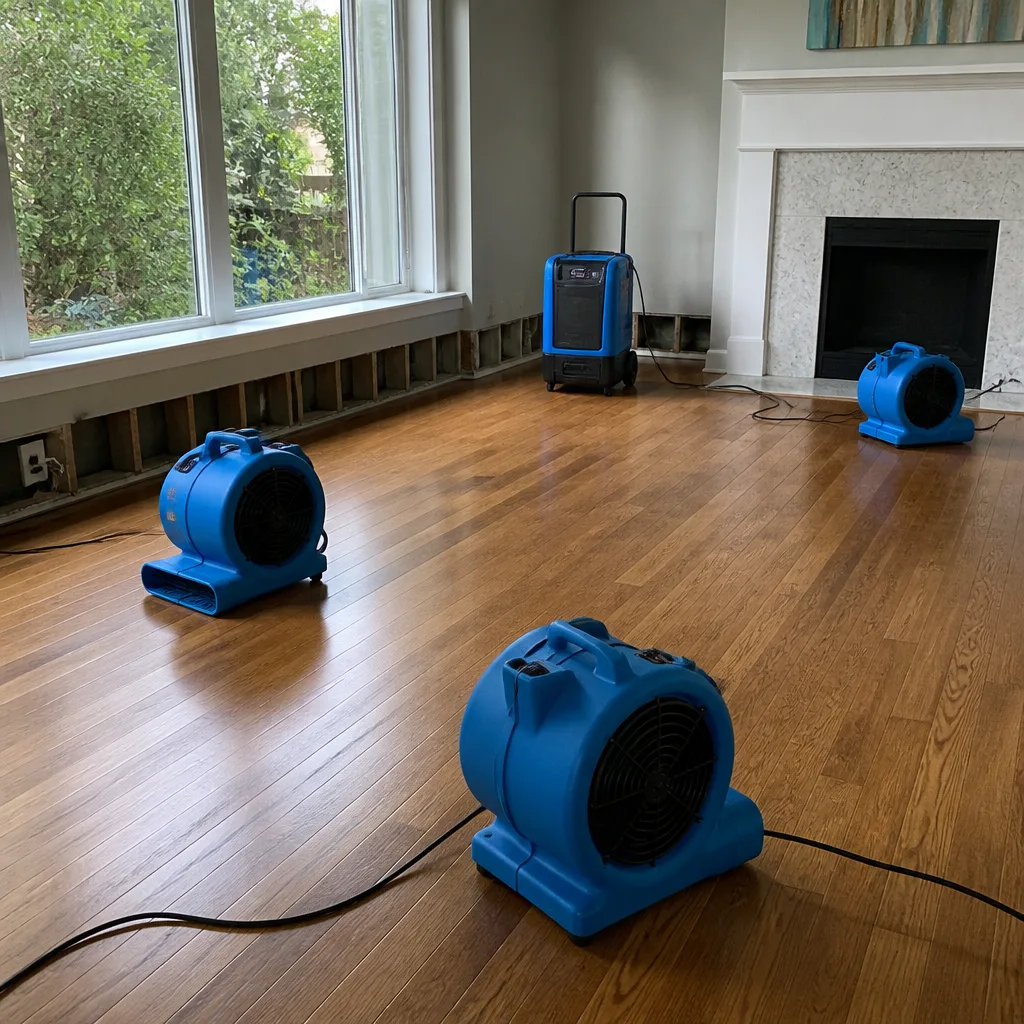
Fifth, call a restoration company. Not a handyman. Not a general contractor who “does water damage sometimes.” A dedicated water damage restoration company in Paradise arrives with truck-mounted extraction units, structural drying equipment, and moisture meters that read inside walls, not just on surfaces. We use professional-grade equipment from Dri-Eaz and Phoenix on every job, the same brands deployed on large commercial losses, because residential homes deserve the same standard.
Building Your Home Emergency File (Before You Need It)
You already have a fire evacuation plan and probably a go-bag with bottled water. Almost nobody in Paradise has a water damage response file. This is the folder, physical or digital, that turns a chaotic emergency into a managed process. Build it this weekend. It takes 45 minutes and saves you thousands.
What Goes in the File
- Water shut-off locations: Photo and description of the main shut-off, plus any fixture-level valves under sinks and behind toilets. Mark which direction is “off.”
- Electrical panel map: A labeled photo of your breaker panel showing which switches control which rooms. During a water emergency, you need to kill power to specific zones without guessing.
- Insurance policy number and adjuster contact: The declarations page from your homeowner’s policy, plus your agent’s direct line. Do not store this only on your computer that might be in the damaged room.
- Pre-damage structural photos: Walk your home quarterly and photograph every room, closet, and utility area. Store to the cloud. When you file a water claim, “before” photos prove your finishes, fixtures, and flooring condition.
- Contractor contacts: Plumber, electrician, and a restoration company you’ve already vetted. In a crisis, you don’t want to Google “water damage Paradise” at 2 a.m.
- Contents inventory: A running list of major purchases with receipts, serial numbers, and photos. Update it after big purchases like appliances, electronics, or furniture.
Keep one printed copy in a plastic sleeve in your garage or laundry room. Keep the digital version in Google Drive, Dropbox, or iCloud. If your home floods, the printed copy stays dry in its sleeve, and the digital copy is accessible from anywhere.
One more thing: share the file with your spouse, adult child, or a neighbor. If you’re not home when the line breaks, someone else needs to know where the valve is and who to call. We’ve seen homes sit flooded for hours because the only person who knew the shut-off location was on a flight.
Paradise-Specific Risk Scenarios to Prepare For
Paradise, NV sits in the Las Vegas Valley’s monsoon shadow, and that creates a specific set of water damage risks that most national preparedness guides ignore. Here’s what we actually see in Paradise homes, week after week.
Monsoon Flash Flood Intrusion
Paradise gets intense, short-duration rainfall during the summer monsoon months, typically July through September. When the desert floor can’t absorb the water fast enough, streets flood, and runoff finds its way into homes through low-lying door thresholds, window wells, and garage entrances. The water isn’t clean. It carries silt, debris, and whatever it picked up from the street. This is contaminated water, and it requires professional extraction and antimicrobial treatment, not a shop vac and some fans. Before you start, read our DIY vs Professional Damage Restoration: The Paradise Homeowner’s Decision Guide.
Slab Leak Discovery
Many Paradise homes were built in the 1970s through the 1990s, and a significant number sit on concrete slab foundations. Copper supply lines run through or under the slab, and over decades, the alkaline desert soil corrodes them. A slab leak usually shows up as a warm spot on the floor, a sudden spike in your water bill, or the sound of running water when nothing is on. By the time you see a wet spot, the leak has likely been active for weeks, saturating the slab and wicking into walls. This is a slower, quieter emergency, but the structural damage is often worse than a burst pipe.
HVAC Condensate Overflow
Paradise homes run air conditioning hard, often from April through October. Your AC unit produces gallons of condensation daily, and that water drains through a line that clogs with dust, algae, and mineral buildup. When the line backs up, water overflows the drip pan and pools around the unit, often in a closet or attic. In a single afternoon, that water can soak through the ceiling below. Seasonal maintenance on your condensate line is the cheapest water damage insurance you’ll ever buy.
Appliance Supply Line Failure
Washing machine hoses, dishwasher lines, and ice maker connections all fail. The rubber hoses behind your washer have a lifespan of about 5 to 7 years, and when they burst, they release water at full pressure. A supply line failure on a second-floor laundry room in a Paradise home can flood the room, the ceiling below, and the ground floor in under an hour. Replace rubber hoses with braided stainless steel. It costs $30 and takes 10 minutes.
What to Tell Your Insurance Company in the First Call
The words you use in your first call to your insurance company matter. Adjusters aren’t trying to catch you, but the language of insurance is precise, and offhand statements can limit your coverage. Here’s how to protect your claim from the first ring.
Start with the facts: “I have water damage at [address]. The source is [burst pipe / slab leak / AC overflow / storm intrusion]. I’ve shut off the water and power where possible. I need to file a claim.” This tells them you’re organized and responsive, which sets the tone for the entire claim.
Then, document the call. Write down the claim number, the adjuster’s name, and what you said. If they give you a list of “preferred contractors,” remember that you have the right to choose your own restoration company. You’ll work with Valiant Water Damage because we’re IICRC-certified and we document everything to the standard insurers require, but you absolutely have the choice.
Now, what NOT to say. Avoid: “It’s not that bad.” This downplays the damage and can reduce your payout. Avoid: “I’ll try to dry it myself first.” This signals a delayed response, and insurers may blame you for the secondary damage that follows. Avoid: “It’s an old pipe, probably been leaking for months.” Without evidence, this can trigger a “long-term leak” exclusion. Stick to observed facts: when you saw the water, what you did, and what’s visibly damaged.
Ask these three questions: What’s my deductible? What’s my coverage limit for water damage? Do you require a specific drying standard or documentation format? The answer to that last question is why we use professional-grade equipment from XPOWER and B-Air on every job, with moisture readings logged throughout the dry-out. Insurers accept the numbers when they’re recorded professionally.
Protecting Contents and Documenting Losses the Right Way
Water damage doesn’t just ruin floors and drywall. It soaks furniture, rugs, electronics, clothing, and the irreplaceable stuff: photos, documents, heirlooms. What you do in the first hour determines what survives.
Move what you can, when it’s safe. Furniture goes up on blocks or aluminum foil. Rugs get pulled up if possible. Electronics get unplugged and moved to dry areas. Paper documents, photos, and books should be freeze-dried if they’re waterlogged and you want to save them; air-drying causes pages to stick and warp. But do not risk your safety to save belongings from a room with standing water and active electrical hazards.
Documentation for insurance works differently than you think. A photo of a pile of wet clothes doesn’t tell the adjuster anything. They need an itemized list. Here’s the approach insurers accept:
- Photograph each damaged item individually, not in a pile.
- Record the item name, brand, age, and original purchase price if you have it. “Samsung 55-inch TV, bought 2022, $600” is a claim. “TV” is an argument.
- Group like items logically: electronics, clothing, furniture, kitchenware.
- Include the room where each item was damaged.
- Do not throw anything away until the adjuster has seen it. Move damaged items to the garage if possible, but keep them for inspection.
This feels tedious during a crisis, but it’s the difference between a claim paid in full and one that gets nickel-and-dimed. We’ve worked with adjusters across Paradise, and the itemized homeowners get paid faster and more completely, every single time.
What Actually Happens When Water Sits: The Drying Myths
The biggest myth in water damage is that “it’ll dry out.” This belief has cost Paradise homeowners more money than any contractor ever could. Here’s what actually happens when water sits in your home for 24, 48, or 72 hours.
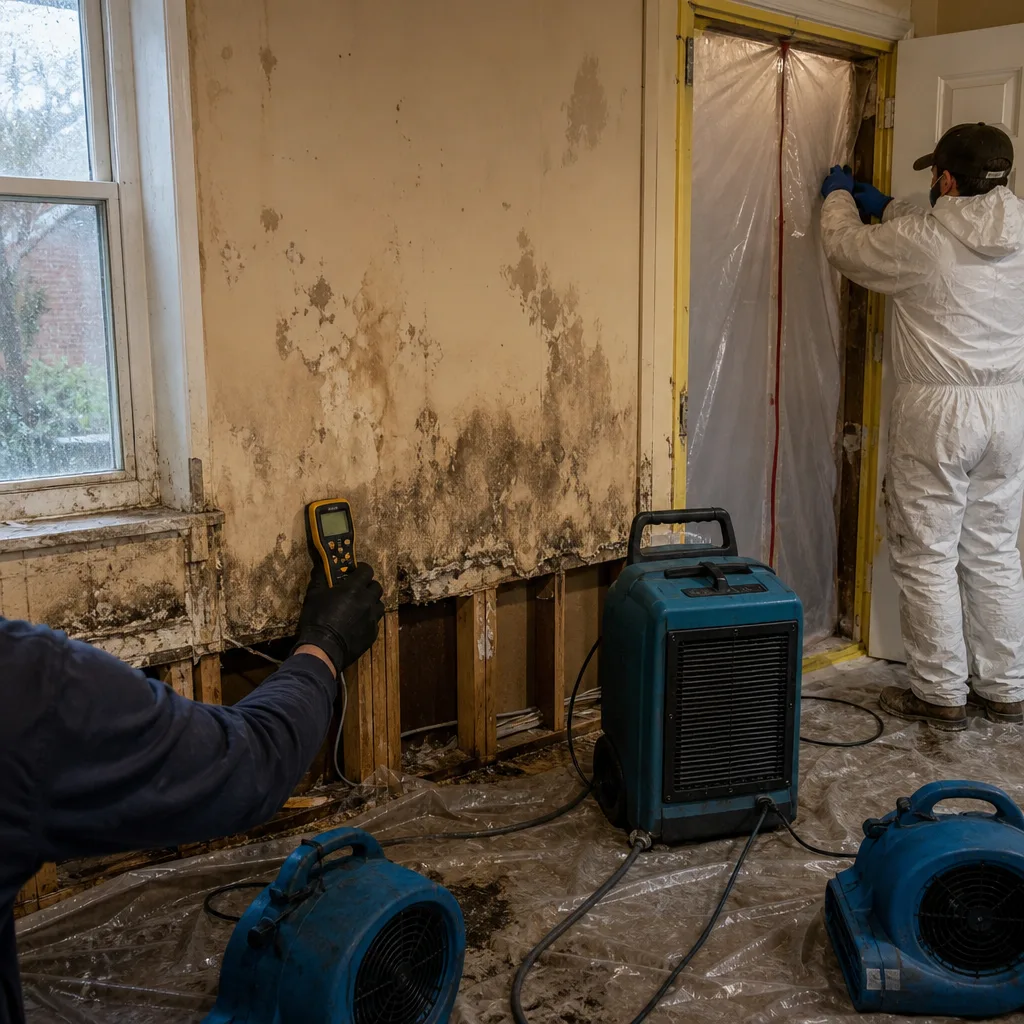
Within hours, water wicks up drywall and spreads laterally across flooring. The “water line” you see on baseboards is only a fraction of the actual extent. Moisture moves into wall cavities, under vinyl plank, and through subfloor. Within 24 hours, mold spores, which are present in every home, find the moisture and begin to grow. Within 48 to 72 hours, visible mold colonization is common, and structural components like drywall, particle board, and laminate begin to delaminate and lose integrity.
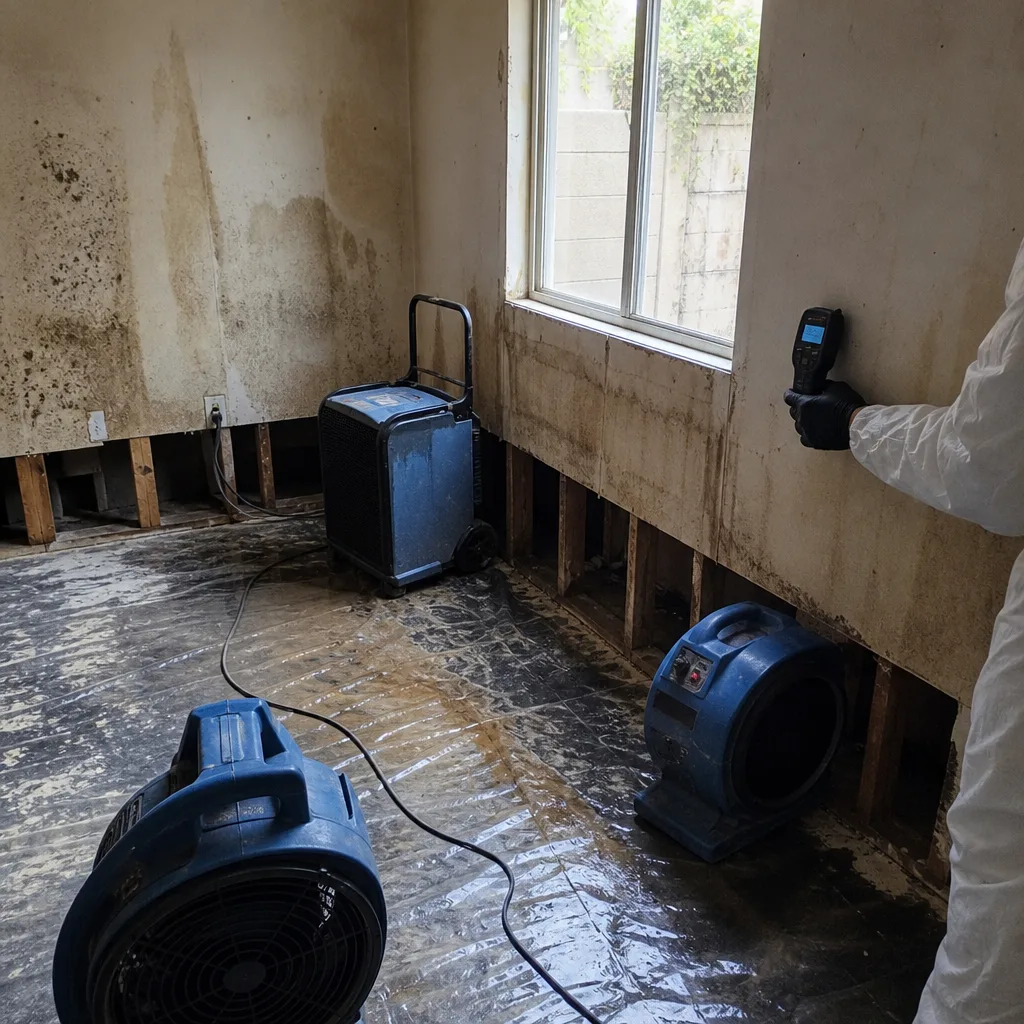
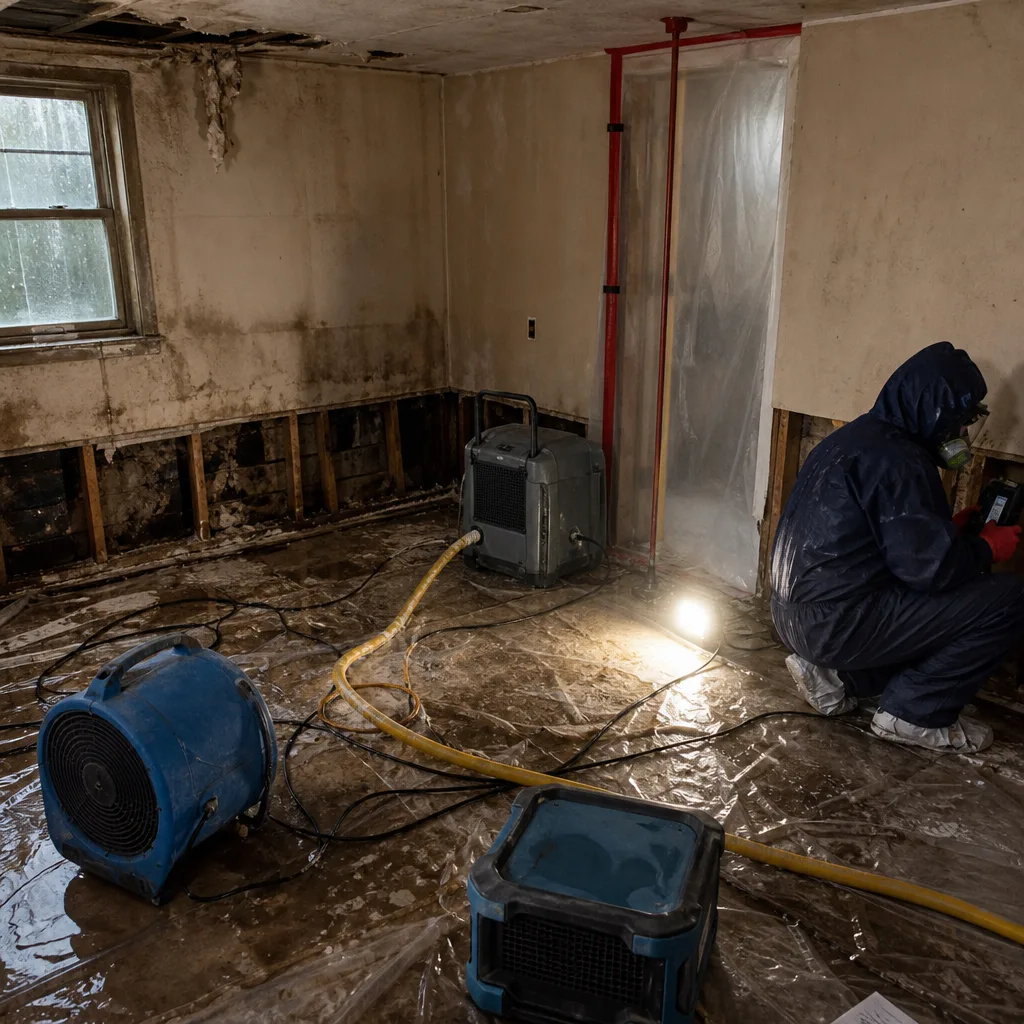
Fans from the hardware store don’t fix this. Box fans move air across surfaces, which dries the top layer and pushes moisture deeper into materials. Structural drying requires professional air movers, dehumidifiers, and moisture meters to confirm materials have returned to appropriate moisture content. For details on local requirements, see Damage Restoration Permits, Codes & Inspections in NV: What You Need to Know. At Valiant Water Damage, we use Injectidry systems to push dry air behind walls and under floors, targeting the water where it actually is. This is precision drying, less demolition, and it’s the standard most basic restoration crews skip.
If you’ve had water sitting for more than 24 hours, you also need to think about mold remediation in Paradise. Mold doesn’t announce itself with a smell right away. By the time you notice the musty odor, it’s often already behind the baseboards and in the wall cavities. Water damage and mold are sequential events, not separate problems. Address the water immediately, and you prevent the mold conversation entirely.
One last thing on this: if you’re not sure how long water has been sitting, assume it’s been long enough to grow mold. The cost of professional drying is a fraction of the cost of full mold remediation and structural replacement. Acting fast is always the cheaper decision.
Common Mistakes to Avoid
- Waiting to see if it dries on its own. It won’t. Every 24 hours of delay doubles the affected area and adds a layer of secondary damage that insurance may not cover.
- Using a box fan and a dehumidifier from the hardware store. You’ll dry the surface and trap moisture inside walls and subfloor, creating the perfect environment for hidden mold.
- Not documenting before moving things. Adjusters need “before” photos of the damage in place. Once you’ve moved furniture and pulled up carpet, the scene is changed, and your claim gets harder to substantiate.
- Saying “it’s not that bad” to your insurance company. This single phrase has reduced payouts on legitimate claims. State observed facts, not optimistic projections.
- Calling a general contractor for water extraction. This is a specialized trade. A generalist with a wet/dry vac doesn’t have the moisture meters, structural drying equipment, or industry certifications that a Paradise water damage restoration specialist brings to the job.
- Forgetting to check the AC condensate line. Paradise’s intense cooling season means this is one of the most common causes of water damage we see, and it’s almost entirely preventable with seasonal maintenance.
- Throwing away damaged items before the adjuster arrives. Keep everything for inspection. Photograph it, tag it, move it to the garage, but do not dispose of it. Without physical evidence, your contents claim is a negotiation, not a reimbursement.
When to Call a Professional
Water has been sitting for more than 24 hours. The water source is contaminated, such as flood water, sewage, or AC overflow. Water has reached drywall, flooring, or structural cavities. You smell mustiness or see discoloration. Your electrical system has been exposed to water. You can’t locate the source. You have a slab leak. Any one of these conditions means professional extraction and drying are required, not optional.
Valiant Water Damage offers free estimates in Paradise, and our IICRC-certified technicians arrive with moisture meters, professional-grade extraction units, and structural drying equipment that reads inside your walls, not just on them. Call (844) 716-1094 and we’ll walk you through the first steps on the phone while we dispatch a crew.
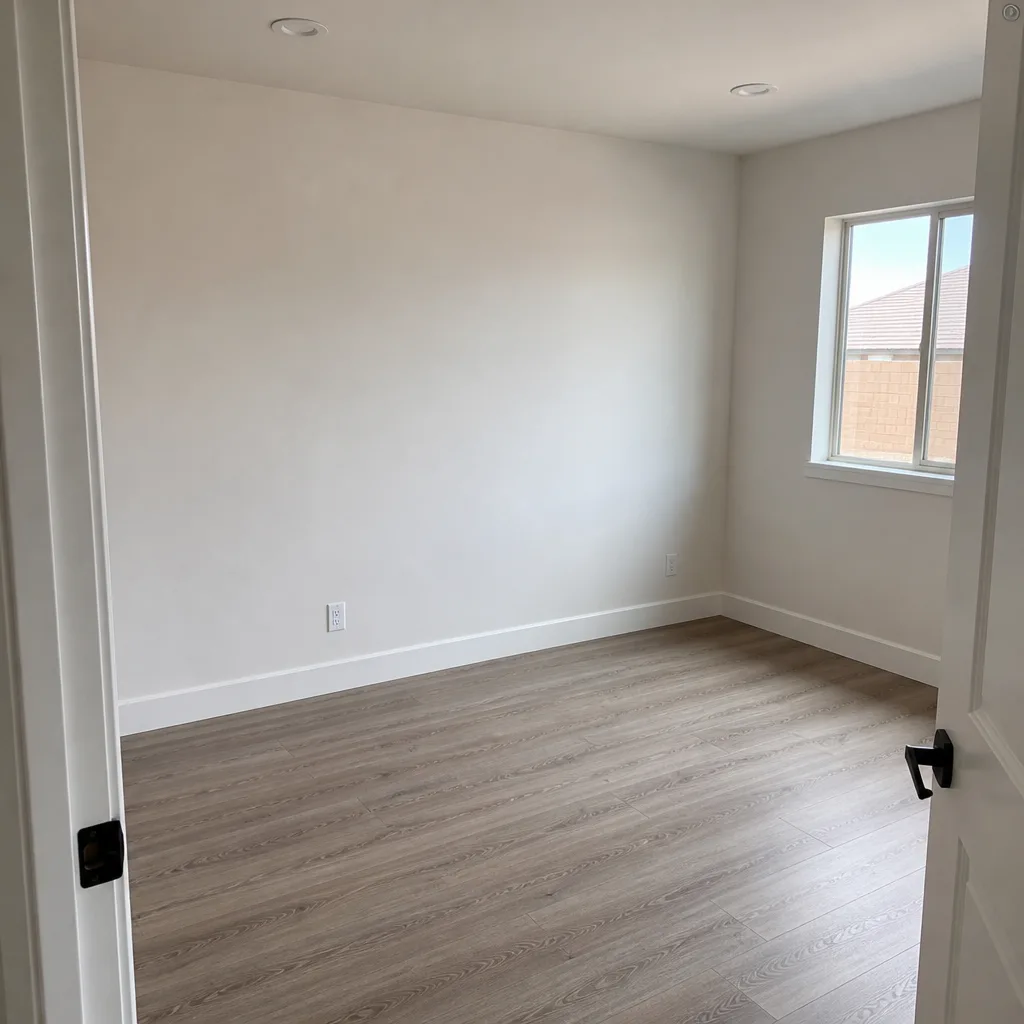
See the difference
 Before
 After
 Before
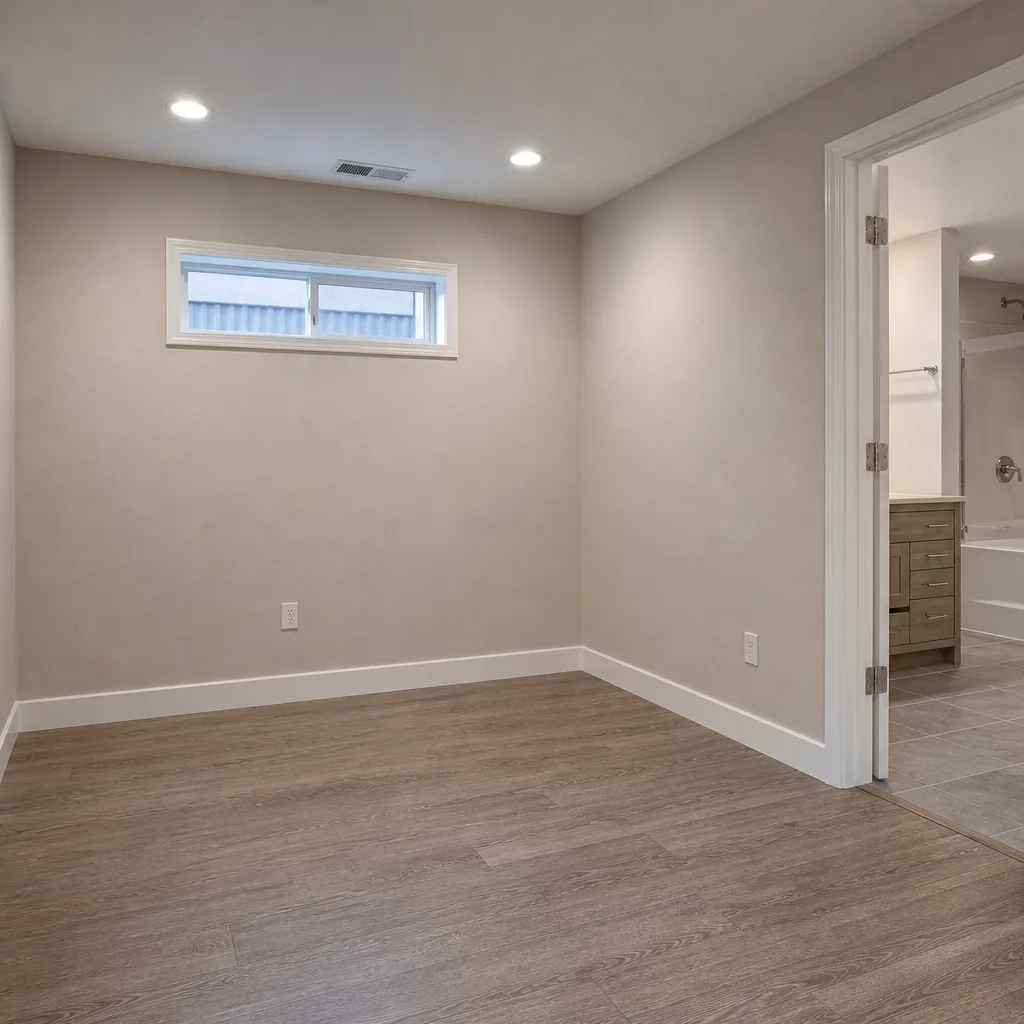 After
 Before
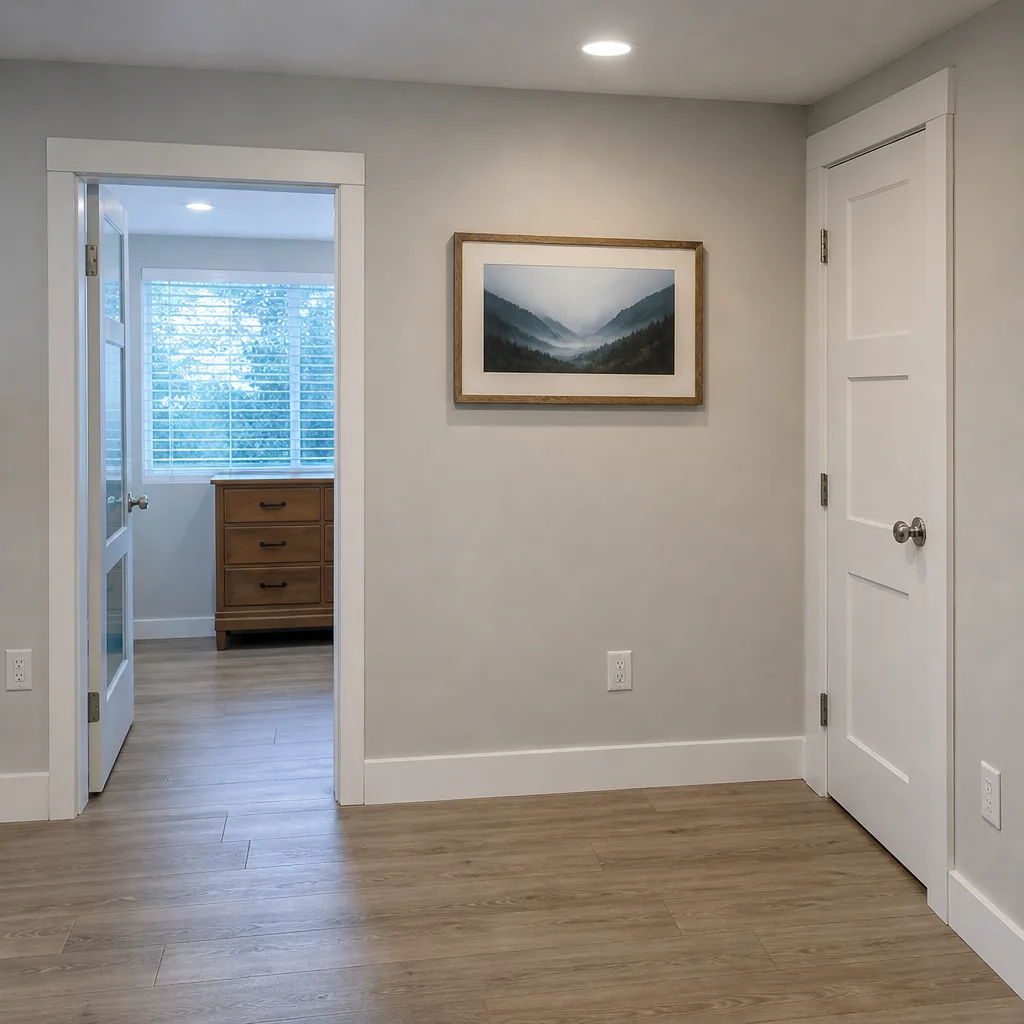 After
Frequently Asked Questions
Water damage restoration teams in Paradise typically respond to emergency calls within 1 to 2 hours during normal business hours, and many operate emergency dispatch around the clock. The critical window is the first 60 minutes, so call before you start moving furniture or ripping up carpet. Valiant Water Damage maintains emergency dispatch for Paradise and the surrounding valley. Call (844) 716-1094 as soon as water is discovered.
Most standard homeowner’s policies in Paradise cover sudden and accidental water damage, such as a burst pipe or appliance failure, but exclude flood damage from monsoon runoff or groundwater unless you carry a separate flood policy. Long-term leaks and neglect are also commonly excluded. The best way to know what your policy covers is to read your declarations page now, before an emergency, and ask your agent directly about water damage exclusions.
Visible discoloration on walls, ceilings, or baseboards, a persistent musty or earthy smell, or respiratory symptoms that appear after water exposure all indicate possible mold growth. Mold can grow within 24 to 48 hours of water exposure in Paradise’s warm climate. If you suspect mold, do not disturb the area, as this releases spores. Contact a certified mold remediation professional in Paradise for testing and assessment.
No, not safely or effectively. Hardware store fans and dehumidifiers dry the surface layer of your flooring and walls, but they don’t reach the moisture inside wall cavities, under baseboards, or through subfloor. That trapped moisture becomes hidden mold. Professional structural drying uses industrial air movers, commercial dehumidifiers, and moisture meters to verify that materials have actually returned to appropriate dryness.
Turn off the AC unit immediately to stop the water source, then contain the water with towels or a wet/dry vac if it’s safe to do so. Document the damage with photos, then call a water damage restoration company for assessment. Condensate water is not clean water; it has been cycling through your system and can carry bacteria. This is a common Paradise-specific water damage scenario, especially during the summer cooling season.
You file the initial claim, but your restoration company should provide the documentation the adjuster needs: moisture readings, drying logs, photo documentation, and an itemized scope of work. At Valiant Water Damage, we work directly with adjusters throughout the process, providing the technical evidence that supports your claim. You stay informed, but you don’t have to navigate the technical details alone. Call (844) 716-1094 to discuss your specific situation.
The Bottom Line
Paradise homeowners prepare for fire season and keep bottled water in the pantry, but almost nobody has a plan for water damage. Yet water damage claims outnumber fire claims in Paradise by a wide margin, and the homes that recover fastest are the ones where someone knew where the shut-off valve was, had the breaker panel mapped, and called a certified restoration team in the first hour. Build your home emergency file this weekend. Replace your washing machine hoses with stainless steel. Get your AC condensate line cleaned before summer. And if water shows up anyway, act fast, document everything, and make one call to (844) 716-1094. When damage strikes, Valiant answers.
Written by the team at Valiant Water Damage, serving Paradise since 2016.