
Last updated October 30, 2026
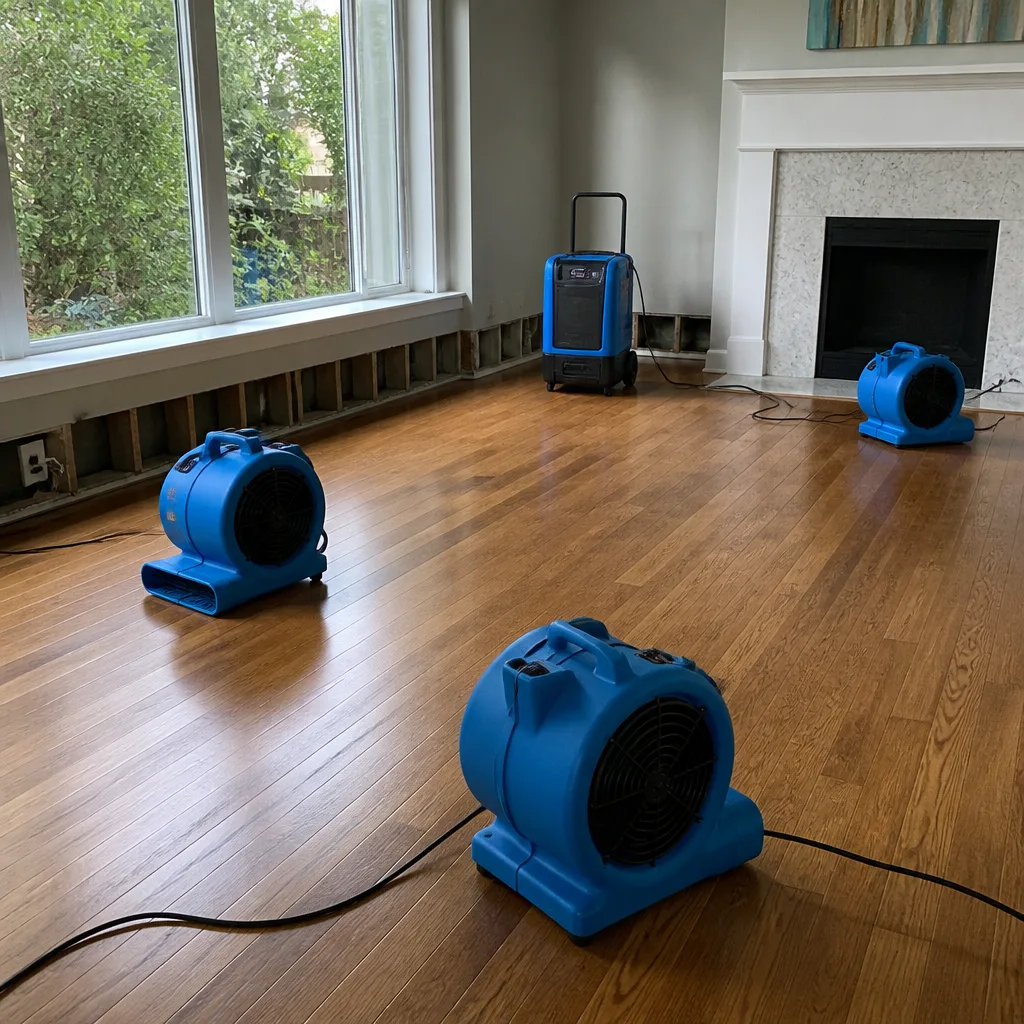 Water damage drying
 Fire & smoke cleanup
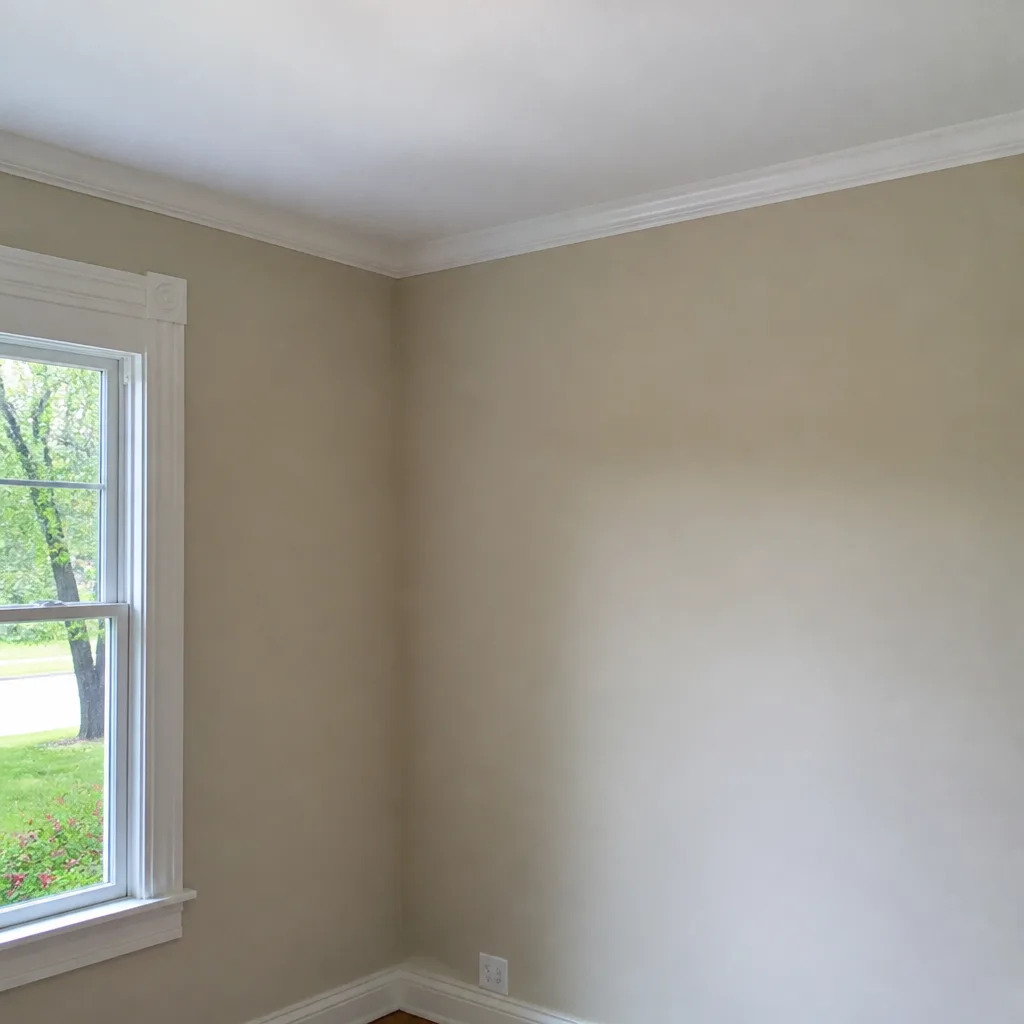 Mold remediation
 Storm response
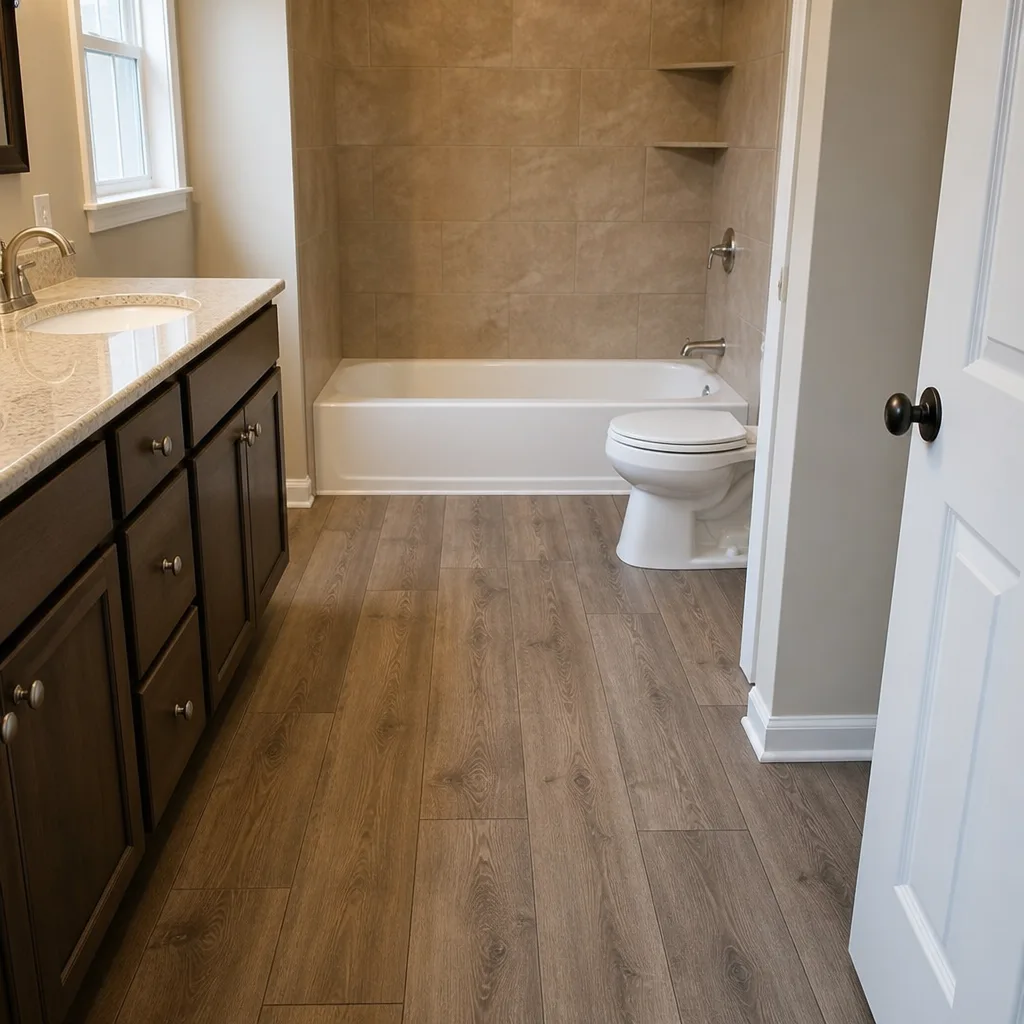 Sewage cleanup
 Reconstruction
Free visual inspection and a written scope of work before any mitigation begins - photos, moisture readings, and drying logs go in your claim file
The scope we write is the scope we bill. Anything new gets shown to you, in writing, before we touch it.
Get your free estimateSeasonal Damage Restoration Care for Paradise: Year-Round Homeowner’s Guide
Paradise averages barely four inches of rain in a full year, yet the phone rings off the hook every July when a monsoon cell parks over the valley and drops a month’s worth of water in forty minutes. That’s the paradox of living here: the dry stretches convince everyone the house is fine, and then the sky opens up and every neglected seal, crack, and drainage path announces itself at once. This guide maps the restoration-prevention tasks that actually matter in Paradise, organized by the risk windows that define our year: monsoon season, hard freeze events, and the long heat-stress months in between. For more guides & resources, see our blog. By the end, you’ll know exactly what to check, when to check it, and when to call a professional rather than gamble with a wet drywall and a shop vac.
Restoration work we handle
Quick Answer
Seasonal damage prevention in Paradise means preparing for two concentrated risk windows: the summer monsoon downpours that overwhelm drainage and roofing systems, and the rare but genuine hard freezes that can burst unprotected pipes. Between those events, the near-constant cooling season and triple-digit heat stress plumbing, caulking, and flat roof membranes in ways that require deliberate, scheduled maintenance. A homeowner who follows the Water Damage Restoration Maintenance Checklist for Paradise Homeowners will catch most water intrusion issues before they become restoration projects.
Table of Contents
- The Paradise Risk Calendar: Two Windows, One Long Stress Season
- Pre-Monsoon Prep (May – June): The Audit That Prevents August Damage
- Monsoon Response Protocol (July – September): The First 24 Hours After Flash Flooding
- Heat-Stress Season Tasks (March – October): What Triple Digits Do to Your Plumbing and Roof
- Winter Freeze Prep: Protecting Pipes in Homes Not Built for Cold
- Year-Round HVAC Condensate Maintenance: The Overlooked Water Source
- What a Homeowner Can Safely Handle vs. What Needs a Professional
- Common Mistakes to Avoid
- When to Call a Professional
- Frequently Asked Questions
- The Bottom Line
The Paradise Risk Calendar: Two Windows, One Long Stress Season
When most homeowners think about seasonal home maintenance, they picture the four-season rhythm of the Midwest or Northeast: gutters in fall, pipes in winter, roof checks in spring. Paradise doesn’t work that way. Our climate produces two acute risk windows, each with its own failure profile, separated by months of slow, silent material degradation. Understanding this calendar is the single most important step in preventing water and mold damage here.
The first window is monsoon season, running roughly July through September. This is when Paradise receives the bulk of its annual rainfall in short, violent bursts. The National Weather Service routinely issues flash flood watches for Clark County during this period, and the Clark County Regional Flood Control District maintains an entire network of channels and detention basins designed specifically to move monsoon water off streets quickly. Your house sits inside that system, whether you think about it or not.
The second window is the winter hard freeze, typically a handful of nights between December and February. Paradise homes are overwhelmingly built for heat rejection, not cold retention. Supply lines run through uninsulated exterior walls, hose bibs lack frost protection, and outdoor irrigation backflow preventers sit exposed. When the mercury dips below 28 degrees for a few hours, the pipes that fail are almost always the ones nobody winterized because “it never gets cold here.”
Between those windows stretches the heat-stress season, which in Paradise effectively runs from March through October. Daytime highs over 100 degrees accelerate polymer degradation in supply-line fittings, dry out caulk and sealants until they crack and separate, and bake flat roof membranes until they lose flexibility. None of this announces itself with a bang; it accumulates until a monsoon or a freeze supplies the triggering event. That’s why our restoration team consistently sees the same pattern: a small, chronic leak that went unnoticed for months, revealed all at once by a weather event.
Pre-Monsoon Prep (May – June): The Audit That Prevents August Damage
The weeks between Memorial Day and the Fourth of July are the most important maintenance period on the Paradise calendar. By late June, daytime highs are already past 100, the first monsoon cells are building over the Spring Mountains, and the ground around your foundation has been baking dry for months. Here is the audit that catches problems before the first flash flood watch.
Start with a roof penetration audit. Walk the perimeter of your home and visually inspect every point where anything passes through the roof: vent pipes, exhaust stacks, satellite mounts, solar panel stanchions, and the masthead where electrical service enters. The sealant around these penetrations degrades fastest in our UV environment. What you’re looking for is cracked caulk, separated flashing, or any gap wider than a credit card. In Paradise, roof penetrations are the number one source of monsoon roof leaks, ahead of actual shingle or tile failure. If you see daylight through a gap or the sealant crumbles when touched, that’s a call to a roofer or a restoration company before the first storm cell arrives.
Second, clear every drainage path. This means downspouts, French drains, area drains, and the channel drains that many Paradise homes have along garage aprons and pool decks. Monsoon downpours routinely deliver an inch of rain in under thirty minutes. A downspout clogged with a single tennis ball or a French drain silted over from a year of windblown dust will back up instantly and send water toward the foundation. Use a garden hose on low flow to test each drain. If the water doesn’t disappear at the same rate it enters, clear the obstruction now. The Regional Flood Control District’s guidance for homeowners is blunt on this point: most residential flooding during monsoon season is caused by private drainage failures, not overwhelmed public infrastructure.
Third, inspect window wells and any below-grade window or door. Homes in Paradise neighborhoods with walkout basements or sunken patios are especially vulnerable during heavy rain. Check that window well drains are clear and that the well liner hasn’t separated from the foundation wall. A window well that fills with water during a storm puts hydrostatic pressure directly against the window assembly, and the first sign of failure is usually water streaming across a basement floor hours after the rain stops. If you have a below-grade entrance, verify the drain at the bottom is functioning during a dry week, not when the storm is already overhead.
Finally, document everything before the season starts. Take date-stamped photos of your roof, your drainage, your window wells, and your stucco. If you do experience water intrusion during a monsoon event, that photographic baseline helps an insurance adjuster see exactly what changed. It also gives a restoration professional a reference point when assessing whether an issue is new damage or pre-existing wear. A few minutes with a phone camera in May saves hours of dispute in August. For a deeper dive into what a Paradise water event looks like once it’s inside the home, see our guide to Water Damage Restoration in Paradise.
Monsoon Response Protocol (July – September): The First 24 Hours After Flash Flooding
When a Paradise flash flood reaches your property, the decisions you make in the first 24 hours determine whether you’re dealing with a minor cleanup or a full mold remediation project. Here is the sequence we recommend, based on what our IICRC-certified technicians see on every monsoon response call.
- Stop the source, if it’s still flowing. If water is entering from a failed sump pump, a blocked drain, or a roof leak, address the source first. For roof leaks, a tarp secured over the penetration stops additional water. For drainage backups, clear the obstruction if it’s safe to do so. If water is still entering from outside, divert it with sandbags or plastic sheeting.
- Cut electrical power to affected areas. Water and electricity don’t mix, and a flooded room with live outlets is dangerous. If the water has reached wall outlets or the breaker panel is in a wet area, shut off the circuit at the main panel. If you can’t reach the panel safely, call the utility or an emergency electrician before entering standing water.
- Document everything immediately. Take photos and video of every affected area before moving anything. Capture the water level, the path of entry, and any damaged belongings. This documentation is what your insurance adjuster will reference.
- Remove standing water and move valuables. A wet/dry vac handles shallow standing water. Move electronics, documents, and furniture to dry areas. Lift upholstered furniture off wet carpet using blocks or plastic saucers.
- Begin airflow and dehumidification now, not tomorrow. The clock for mold starts ticking the moment materials get wet. In Paradise’s summer heat, mold can begin colonizing wet drywall within 24 to 48 hours. Open windows if outside humidity is low, run every fan you own, and deploy any dehumidifier you have. The goal is to drop the moisture content in affected materials below the threshold where mold spores can germinate.
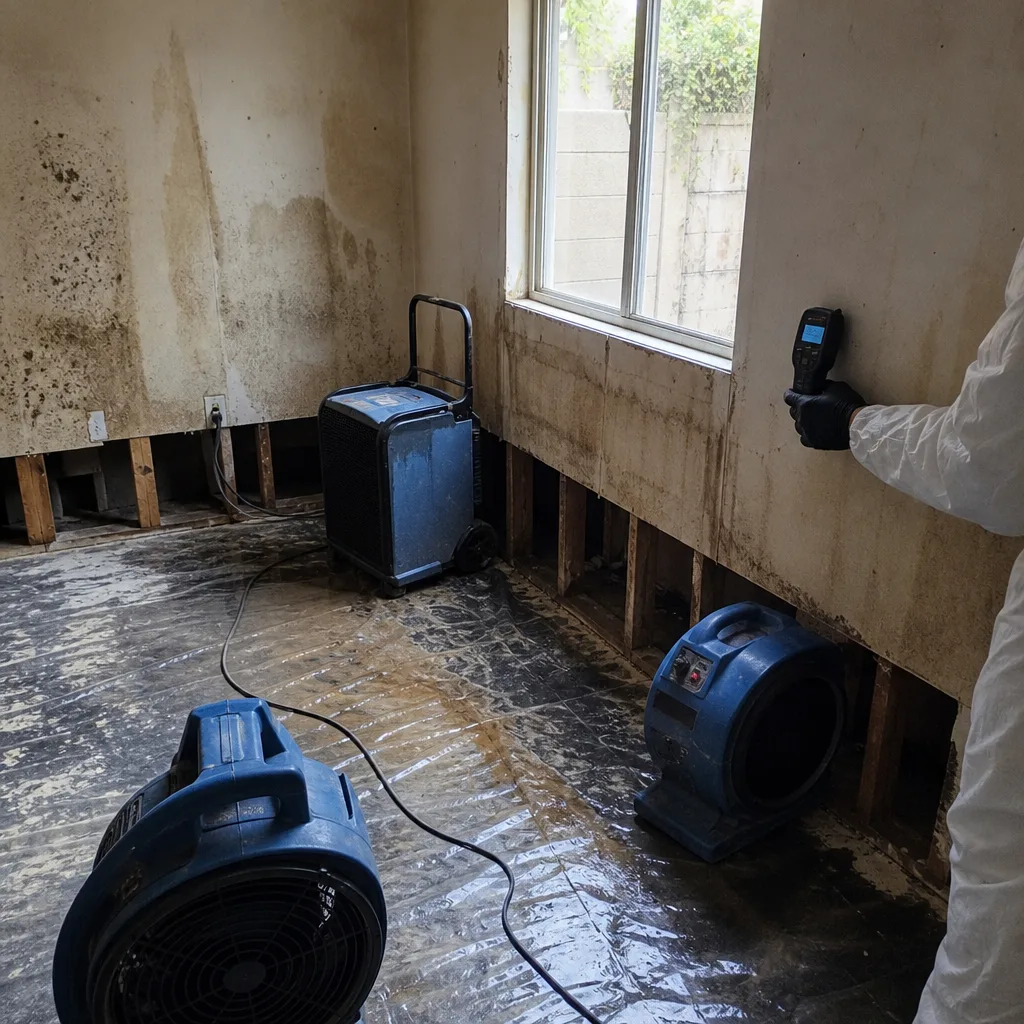
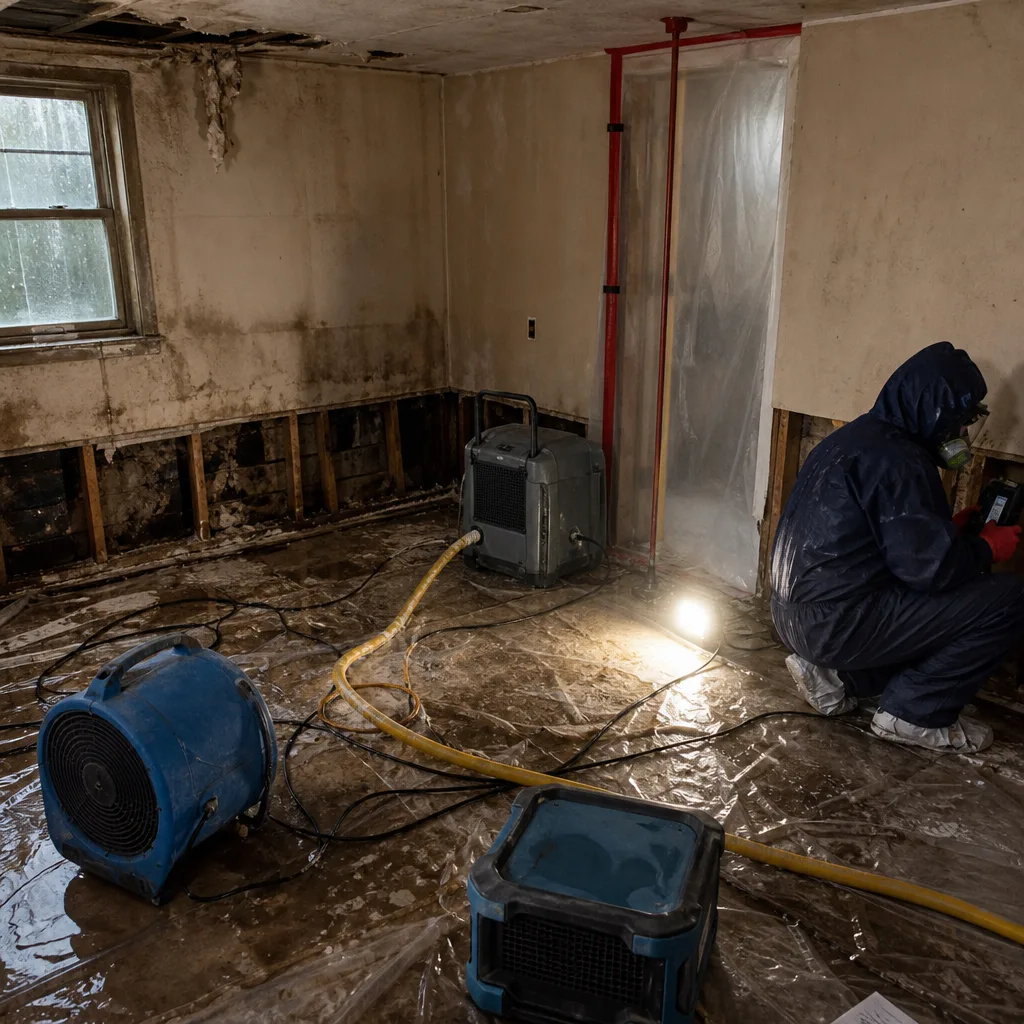
- Call a restoration professional for structural assessment. What you can’t see behind walls and under floors is where the real damage hides. A professional with moisture meters and thermal imaging can map the full extent of water migration. Our team uses professional-grade detection equipment on every call, because the water you can’t see is the water that causes the most expensive damage.
One Paradise-specific point: monsoon water is often contaminated water. Flash flood water carries silt, automotive fluids, pesticides, and whatever else it picked up from streets and landscaping. The restoration industry classifies this as Category 2 or Category 3 water, meaning it requires sanitization and antimicrobial treatment, not just drying. Carpet, drywall, and insulation that absorbed flood water typically cannot be simply dried and saved. Attempting to handle this with household equipment alone leaves behind contamination that becomes a mold source later. For details on what mold remediation actually involves in Paradise’s climate, see our Mold Remediation in Paradise guide.
Heat-Stress Season Tasks (March – October): What Triple Digits Do to Your Plumbing and Roof
Most homeowners in Paradise understand that heat is uncomfortable. What they don’t realize is that heat is actively degrading their home every day it’s over 100 degrees, which in recent years means most days from May through September. The degradation is slow, silent, and cumulative. Here is what heat actually does to the systems that keep water outside your walls.
Supply-line brittleness is the most common heat-related failure we see. Modern homes use PEX or CPVC for interior supply lines, and both materials degrade faster in sustained high temperatures. The fittings, especially the crimp rings and plastic connectors, are the weak points. Every expansion-contraction cycle from the daily temperature swing (which in Paradise can be 30 degrees or more between noon and midnight) works the fittings microscopically. When a fitting finally fails, it tends to fail during a pressure spike, which is why we see more slab leaks and wall leaks in July and August than any other months. The prevention is simple: know where your main shutoff valve is and test it monthly. A functioning shutoff valve turns a major leak from a restoration project into a plumbing repair.
Caulk and sealant failure is the second heat-stress issue. The sealant around windows, doors, tub surrounds, and exterior penetrations is designed to flex. After two or three Paradise summers of 110-degree days followed by relatively cool nights, most caulk has lost its elasticity and cracked. Hairline cracks around a window frame let in monsoon rain; cracks in a tub surround let water reach the subfloor every time someone showers. We recommend an annual caulk inspection as part of the pre-monsoon audit, but the truth is that sealant degradation is ongoing. Pay special attention to south-facing and west-facing walls, which take the worst of the afternoon sun.
Flat roof membrane degradation is the third issue, and it’s specific to the many Paradise homes and commercial buildings with flat or low-slope roofs. These membranes, typically modified bitumen or TPO, absorb massive amounts of solar radiation. Over several summers, the membrane loses flexibility and begins to develop micro-cracks, especially at seams and flashing junctions. The first sign is often a small discolored spot on a ceiling that appears during monsoon season, when rain finds the crack that developed months earlier. If you have a flat roof, an annual professional inspection is worth the cost. The alternative is discovering the leak from inside the house, which means the damage has already progressed through the roof structure, insulation, and ceiling assembly.
One more heat-specific task: check your water heater and washing machine supply hoses twice a year. These braided stainless hoses have rubber liners that degrade faster in heat. When a supply hose fails, it delivers full-pressure water at up to 8 gallons per minute. A failed washing machine hose in a second-floor laundry room is one of the most common causes of multi-room water damage in Paradise homes.
Winter Freeze Prep: Protecting Pipes in Homes Not Built for Cold
Paradise hard freeze events are rare, which is precisely why they cause so much damage when they occur. Homes here are not designed with freeze protection as a standard feature. Pipes run through exterior walls without insulation, hose bibs are not frost-proof models, and outdoor irrigation systems are installed with exposed backflow preventers. When the temperature drops below 28 degrees for even a few hours, the freeze damage is concentrated exactly where the design assumed cold weather would never reach.
The highest-priority task is insulating exposed pipes. Walk the perimeter of your home and identify every pipe that runs outside the thermal envelope: hose bibs, irrigation backflow assemblies, pool equipment plumbing, and any supply lines in unheated garages or crawl spaces. Foam pipe insulation is available at any hardware store for a few dollars per six-foot section. It’s cheap insurance. For hose bibs, install an insulated cover or simply disconnect hoses and wrap the bib in a towel secured with tape as a temporary measure before a forecast freeze.
Second, drain or winterize your irrigation system before the first hard freeze of the season. The most common freeze failure in Paradise is a cracked backflow preventer on a residential irrigation system. These brass assemblies sit above ground, full of water, completely exposed. When they freeze, the internal components crack or the body itself splits. The repair is several hundred dollars, and the water that leaks from the crack often runs toward the foundation. Shut off the irrigation supply at the main valve and drain the backflow assembly if you know how, or have an irrigation contractor handle it each fall.
Third, know how to drip your faucets correctly. The advice to “let faucets drip” during a freeze is sound, but the execution matters. You’re not dripping to conserve water; you’re dripping to keep water moving through the pipes most vulnerable to freezing. Drip both hot and cold lines at the faucet furthest from the water main, and drip any faucet on an exterior wall. A pencil-lead-thin stream is enough. Moving water releases heat through friction and resists freezing far better than static water. If a pipe does freeze, shut off the main valve immediately and open the affected faucet to release pressure. Then call a plumber. Do not use a torch or open flame to thaw a pipe; the fire risk is real, and we respond to those calls too. For information on what happens after a burst pipe floods a home, see our Fire Damage Restoration in Paradise page to understand the full restoration approach we bring to every type of property damage.
Year-Round HVAC Condensate Maintenance: The Overlooked Water Source
In most of the country, the HVAC system runs heavily for a few months and idles the rest of the year. In Paradise, the cooling side runs almost year-round. That means your air conditioning system is constantly producing condensate, typically 5 to 20 gallons per day depending on humidity and runtime. All of that water has to go somewhere, and when the condensate drainage system fails, the water ends up in the worst possible places: inside walls, under floors, or pooled on ceilings below attic-mounted units.
The condensate drain line is the most common failure point. Over months of continuous operation, algae, mold, and mineral scale accumulate inside the PVC line. Eventually the line clogs, and the water backs up into the drain pan. If the pan’s overflow switch fails or is missing, that pan overflows and water cascades into the structure. We see this most often in attic-mounted air handlers, where the first sign of trouble is a water stain on a ceiling that’s not directly under any plumbing fixture.
Here is the maintenance schedule we recommend for Paradise homeowners:
- Monthly during cooling season: Pour one cup of white vinegar into the condensate drain line access point (usually a T-fitting or cap near the air handler). The vinegar helps prevent biological growth.
- Quarterly: Visually inspect the drain pan and the area around the air handler for signs of standing water, mineral deposits, or staining. If you see water in the pan, the drain line is already backing up.
- Twice per year: Have the condensate line cleared and the drain pan tested as part of routine HVAC maintenance. A professional can also verify that the overflow shutoff switch is working, which is what prevents a clog from becoming a ceiling collapse.
- Annually: Check the condensate line termination point outside the home. Make sure water is dripping freely when the system is running and that the termination isn’t buried under landscaping or directed toward the foundation.
The key insight here is that HVAC condensation is a year-round water source in Paradise, not a seasonal one. A maintenance routine tied to the calendar rather than the weather will catch problems before they become restoration projects.
What a Homeowner Can Safely Handle vs. What Needs a Professional
This guide is built on the principle that homeowners can do meaningful prevention work themselves. But there’s a line where DIY crosses from sensible maintenance into risky territory. Here is where we draw it.
Safe for a homeowner: clearing gutters and downspouts, testing drainage with a hose, inspecting caulk and sealant, installing foam pipe insulation, dripping faucets before a freeze, pouring vinegar into a condensate line, documenting the home’s condition with photos, and shutting off the main water valve in an emergency. These tasks require no specialized equipment and carry no meaningful risk of making a problem worse.
Needs a professional: any roof repair or penetration resealing that requires working at height, any electrical work including disconnecting power to a flooded area that can’t be reached safely, any structural drying after a water event, any mold removal that involves more than a small area of surface growth, and any restoration work that touches contaminated water. The safety concerns around height and electricity are obvious, but the structural drying point deserves attention. The most common DIY mistake we correct is a homeowner who ran fans for a week and assumed the walls were dry. Moisture meters tell a different story, and the mold that colonized behind that dry-looking drywall is now a much larger remediation project than the original water event would have been.
For any job involving Valiant Water Damage home restoration services, our IICRC-certified technicians arrive with professional-grade equipment from brands like Dri-Eaz, Phoenix, and XPOWER. These are the same machines used on large-scale commercial losses, and they’re deployed on every residential job we handle in Paradise. Precision drying, less demolition: that’s the standard.
Common Mistakes to Avoid
- Assuming “it never floods in Paradise” is a maintenance plan. The fact that rain is rare is exactly why the first monsoon downpour finds every neglected seal and drain. Homes here need preparation precisely because the systems go untested for months.
- Running fans without a dehumidifier after a water event. Fans move moisture around; dehumidifiers remove it. In Paradise’s summer heat, a fan-only approach creates a warm, humid environment where mold thrives inside walls.
- Ignoring the condensate line until water appears on a ceiling. By the time a ceiling stain appears, water has been accumulating in the attic for days or weeks, and the damage extends well beyond what’s visible.
- Skipping the pre-monsoon roof inspection because “the roof was replaced recently.” New roofs have penetrations too, and the sealant around those penetrations is often the weakest point of the entire system. Age isn’t the only variable; the quality of the flashing work matters more.
- Using a torch to thaw a frozen pipe. This is how freeze events turn into house fires. The correct response to a frozen pipe is shutting off the water and calling a professional.
- Waiting to file an insurance claim because the damage “doesn’t look that bad.” Water migrates. What looks like a small damp patch today is often a wall cavity full of saturated insulation tomorrow. Documentation and prompt reporting protect your claim.
- Thinking a hard freeze can’t happen because “it’s the desert.” Paradise has recorded temperatures below 20 degrees multiple times in recent decades. Homes here aren’t built for those nights, which makes preparation more important, not less.
When to Call a Professional
Call a restoration professional when water has reached drywall, flooring, or insulation, when the source of water is sewage or outside flood water, when you see visible mold growth, or when the affected area is larger than you can dry with household equipment in 48 hours. Structural damage from fire, whether from a kitchen incident or an electrical fault, requires the same professional response: the smoke and soot damage extends far beyond the visible burn area, and improper cleaning can permanently embed odor into surfaces. A property manager handling a tenant situation in Paradise benefits from a restoration partner who can coordinate directly with insurance adjusters and provide photo-documented assessments from the first visit. For help selecting a provider, read our guide on Choosing the Right Damage Restoration Brand: A Buyer’s Guide for Paradise. Valiant Water Damage offers free estimates in Paradise. Call (844) 716-1094 and a certified technician will walk you through what you’re looking at and what it will take to fix it.
Frequently Asked Questions
Water damage restoration in Paradise typically ranges from $1,500 to $6,000 for a contained event like a burst supply line under a sink, up to $15,000 or more for a multi-room flood or sewage backup. The final cost depends on the square footage affected, the category of water involved, and whether structural drying or demolition is required. Call (844) 716-1094 for a free estimate specific to your situation.
Most standard homeowners policies cover water damage from roof leaks, burst pipes, and other internal sources, but do not cover surface water flooding from monsoon runoff entering through doors or windows. Flood insurance is a separate policy through the National Flood Insurance Program. What matters most for any claim is documentation: photos of the damage, receipts for emergency mitigation, and a professional assessment of the moisture extent.
In Paradise’s summer temperatures, mold can begin colonizing wet materials within 24 to 48 hours when humidity is elevated. This is why professional structural drying with moisture meters and commercial dehumidifiers is critical in the first days after a water event, not a week later. Surface mold growth is also influenced by the type of water involved; clean water from a supply line is less likely to produce immediate mold than contaminated monsoon or sewage water.
Shut off the water supply at the main valve or the nearest fixture shutoff, remove anything that can be moved away from the wet area, and call a restoration professional for a moisture assessment. Hidden leaks have usually been active for weeks or months before they become visible, which means the affected area is larger than the visible stain suggests. A moisture meter can map the full extent without unnecessary demolition, and tools like the Injectidry system can dry inside wall cavities precisely, reducing the need to tear out drywall.
Inspect your roof penetrations and drainage systems twice per year: once in May before monsoon season, and once in October after the monsoon season ends. The October inspection catches any damage from summer storms before the rare winter freeze adds additional stress. More frequent checks are warranted after any heavy monsoon event that produced standing water on your property or visible roof runoff.
For small, contained water events like a minor appliance leak with no wall or floor penetration, self-drying with fans and a dehumidifier can work, provided the affected area is truly dry within 48 hours and there is no contamination. For anything involving saturated drywall, wet insulation, contaminated water, or areas you can’t visually inspect, professional restoration is not optional. The equipment we deploy, including Dri-Eaz and Phoenix dehumidifiers and XPOWER air movers, removes moisture at a rate household equipment can’t match, and the testing we do confirms dryness rather than guessing at it.
The Bottom Line
Paradise’s climate doesn’t punish neglect gradually the way wetter regions do. Here, the dry months lull homeowners into believing the house is fine, and then a single monsoon cell or freeze event exposes every deferred maintenance decision at once. The solution is a seasonal discipline: the pre-monsoon audit in May, the freeze prep in December, and the ongoing heat-stress and condensate checks that happen year-round. None of this is complicated, but it is specific, and the specificity is what matters. A roof drain cleared in May, a backflow preventer drained in December, a condensate line flushed every month: these are the small acts that prevent the phone call nobody wants to make. If that call becomes necessary anyway, we’re here. When damage strikes, Valiant answers.
Written by the team at Valiant Water Damage, serving Paradise since 2016.
See the difference
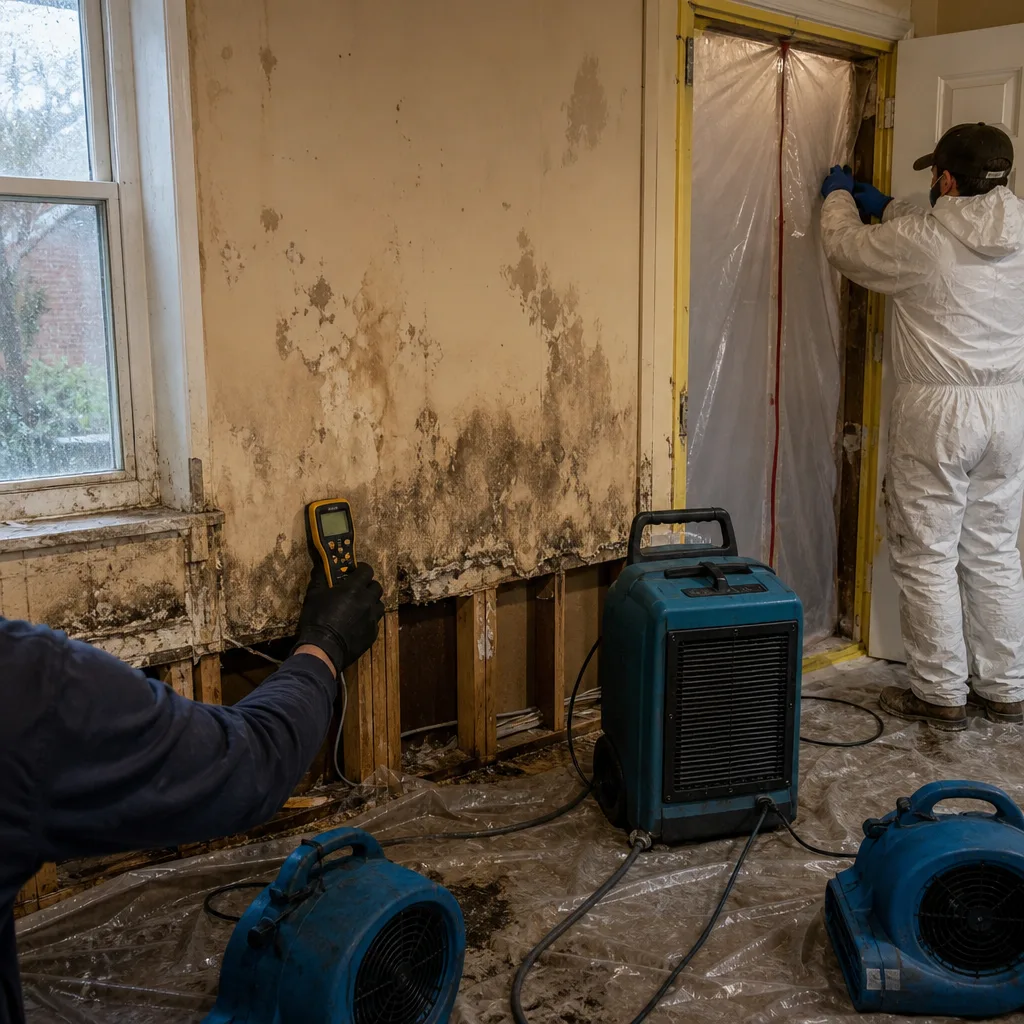 Before
 After
 Before
 After
 Before
 After